
LEADING CUSTOM ALUMINUMEXTRUSION MANUFACTURER
From mold design to precision CNC machining and surface treatment.
Providing one-stop aluminum profile solutions with 30 years of industry expertise.
Aluminium Heat Sink Extrusion
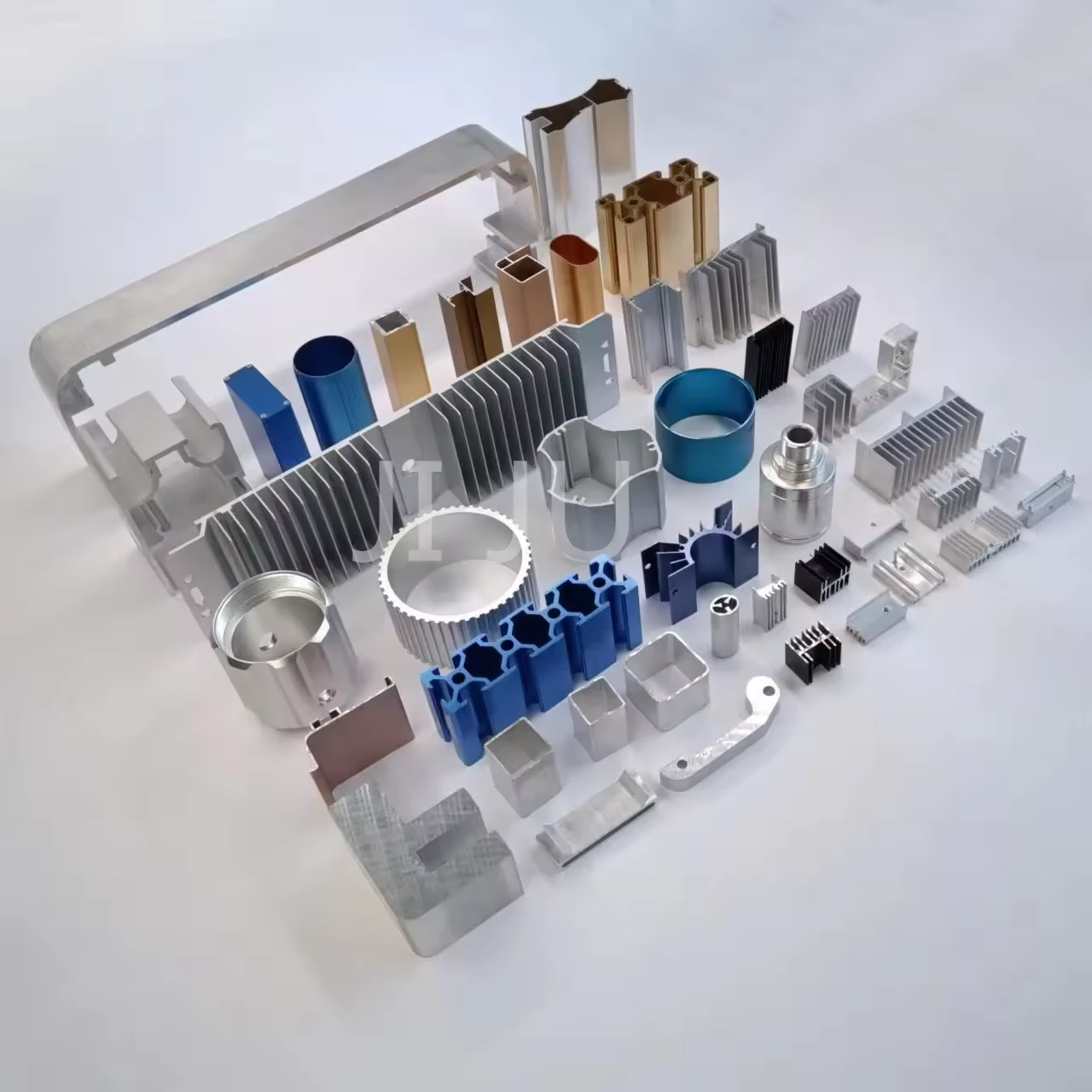
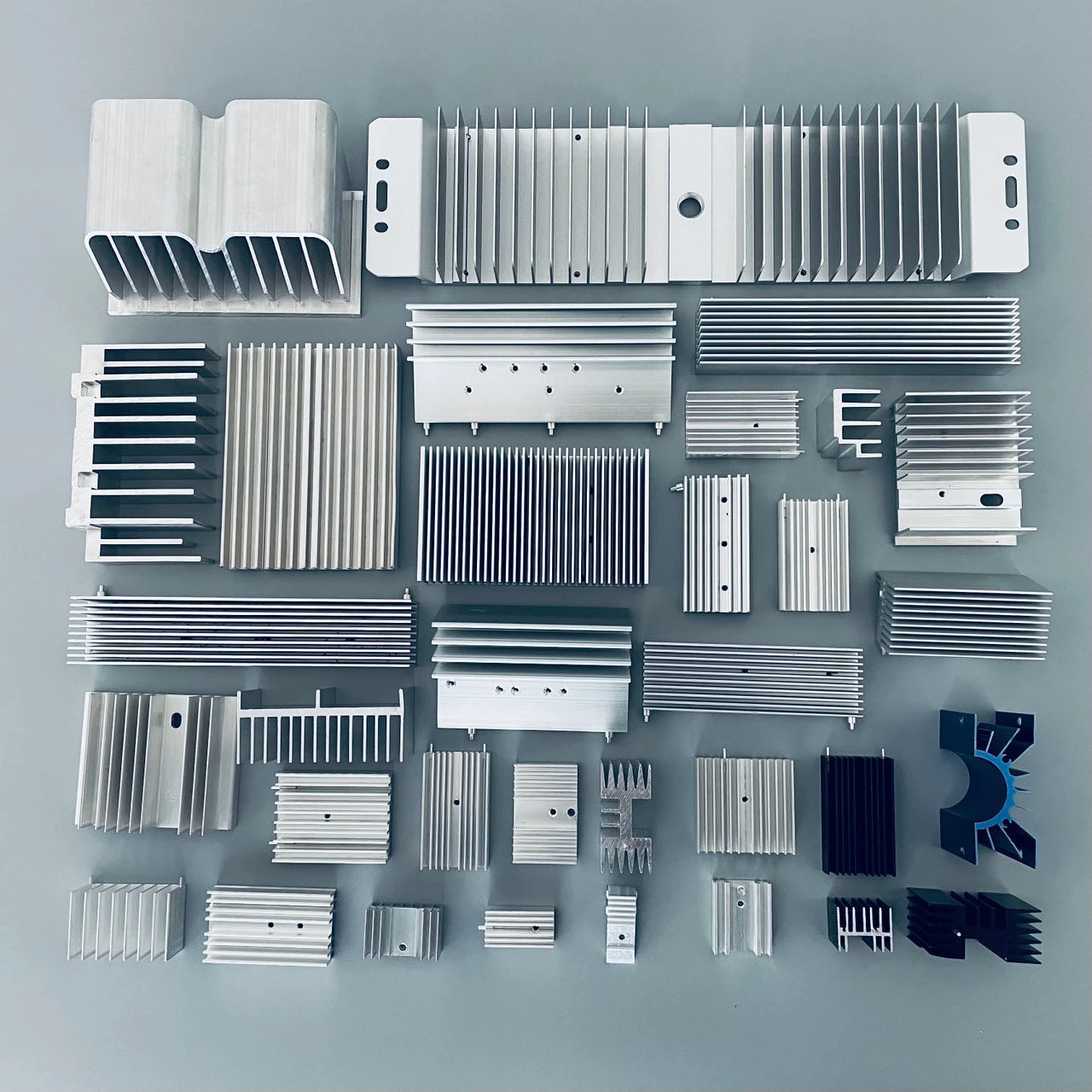
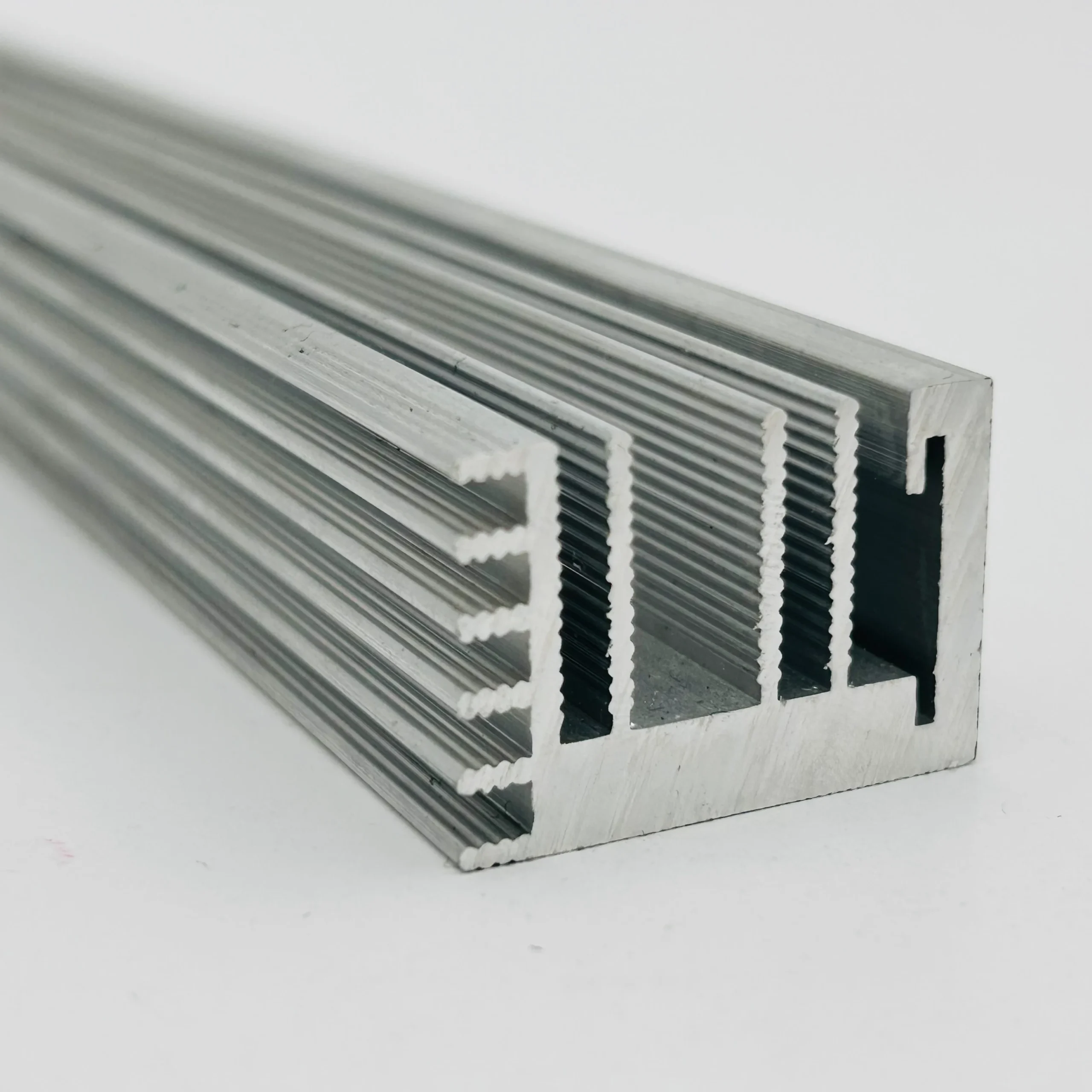
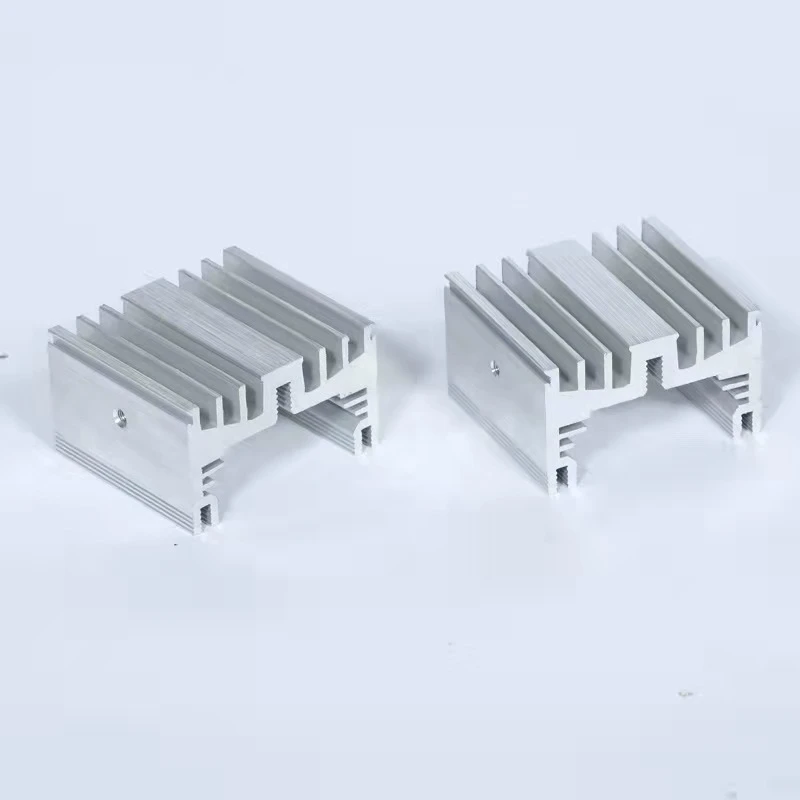
Key Specifications & Technical Parameters
| Key Parameter | Specification & Options |
|---|---|
| Product Name | High-Density Aluminium Heat Sink Extrusion Tracks & Profiles |
| Material Grade | 6063-T5, 6063-T6, 6061-T6 (High-precision structural structural alloys) |
| Hardware Coupling | Module anchoring clamps, base mounting brackets, and fan screws unified in 304 stainless steel |
| Fin Geometry Formats | Traditional Flat Combs, Flanged Multi-Slot Tracks, Wavy Convection Fins, Heavy Dense Box Girders |
| Aspect Ratio Capabilities | High extrusion aspect ratios (fin height to gap width optimized for advanced forced-air cooling) |
| Surface Coating Options | Technical Clear Anodizing, Matte Black Anodizing, Industrial Powder Spraying, Degreased Finish |
| Base Flatness Index | Strictly maintained under ±0.02mm via multi-axis long-bed CNC face fly-milling lines |
| Deep Processing Capability | CNC precise length sawing, semiconductor bolt hole drilling, thermal grease recess routing, tapping |
Target Product Applications
- Power Electronic Systems: Massive horizontal comb heat sinks cooling high-voltage IGBT modules, commercial power inverters, and heavy rectifiers.
- Industrial Server Enclosures: Dense flanged cooling tracks structuring data-center server racks, computational chassis boxes, and telecommunication trays.
- Automated Factory Equipment: Robust passive cooling platforms supporting automated motor drives, CNC controllers, and laser generation units.
Comprehensive Technical FAQ
### Thermodynamic Material Advantages
Q1: What structural and thermal benefits make 6063-series aluminum the premier selection for extruded cooling tracks?
A1: Thermal system specifiers select 6063 aluminum because this material grade delivers an exceptional thermal conductivity coefficient to move core energy swiftly. Furthermore, the material possesses remarkable extrusion fluidity parameters under high mechanical press temperatures. Consequently, our manufacturing lines can shape intricate, ultra-dense fin patterns with thin walls. As a result, this process expands overall ambient convection zones while limiting component weight metrics.
### High Aspect Ratio Extrusion Controls
Q2: How does your tooling workshop secure uniform fin alignment and prevent mold fractures on high aspect ratio profiles?
A2: High aspect ratio dies experience intense mechanical friction pressures as hot aluminum blocks push through narrow slot channels. Therefore, unbalanced metal velocity will twist the micro-mandrels or break the steel teeth completely. To control compliance, our facility deploys specialized simulation programming to track alloy flow trajectories. Subsequently, slow-feeding wire-EDM centers cut the hardened tool-steel plates accurately, preventing track deformation errors.
### Surface Texture & Chemical Finishing
Q3: Why is technical anodizing highly critical for aluminum heat sink systems operating inside industrial environments?
A3: Untreated raw aluminum profiles quickly develop a thin, uneven natural oxidation skin that increases micro-thermal boundary resistance. Consequently, our surface plant processes components through automated electrochemical anodizing lines to grow a controlled, durable oxide layer. Furthermore, black anodizing treatments modify the surface radiation coefficient to enhance secondary heat dissipation values. Consequently, the hardened finish shields profiles against salt-spray corrosion safely.
### Core Mounting Flatness Verification
Q4: How do your post-extrusion CNC machining lines eliminate contact air gaps between the aluminum base and electronic chips?
A4: Microscopic extrusion longitudinal lines or slight cross-sectional twisting will isolate silicon surfaces from metal substrates, triggering sudden chip overheating. Therefore, we integrate long-bed CNC fly-milling processes to shave the primary module mounting plane perfectly flat. This automated finish tracking holds flatness tolerances under ±0.02mm across the interface. As a result, this contact path ensures seamless thermal grease mapping to maximize core dissipation speed.
Precision Aluminum Manufacturing & Custom OEM/ODM Services
Expert in Aluminum Extrusion, Deep Processing, and Finished Products.
