
LEADING CUSTOM ALUMINUMEXTRUSION MANUFACTURER
From mold design to precision CNC machining and surface treatment.
Providing one-stop aluminum profile solutions with 30 years of industry expertise.
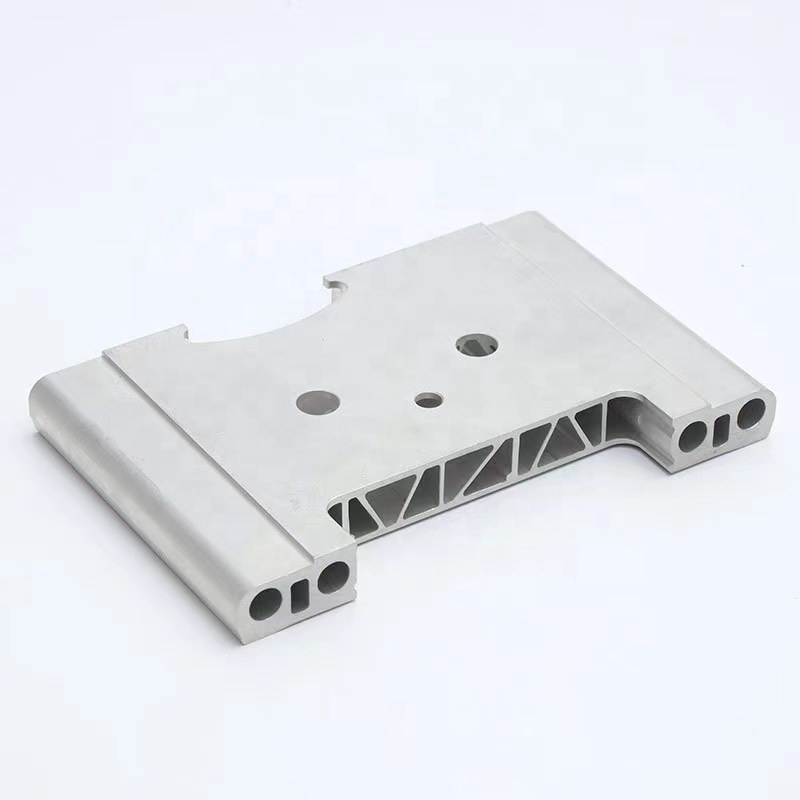
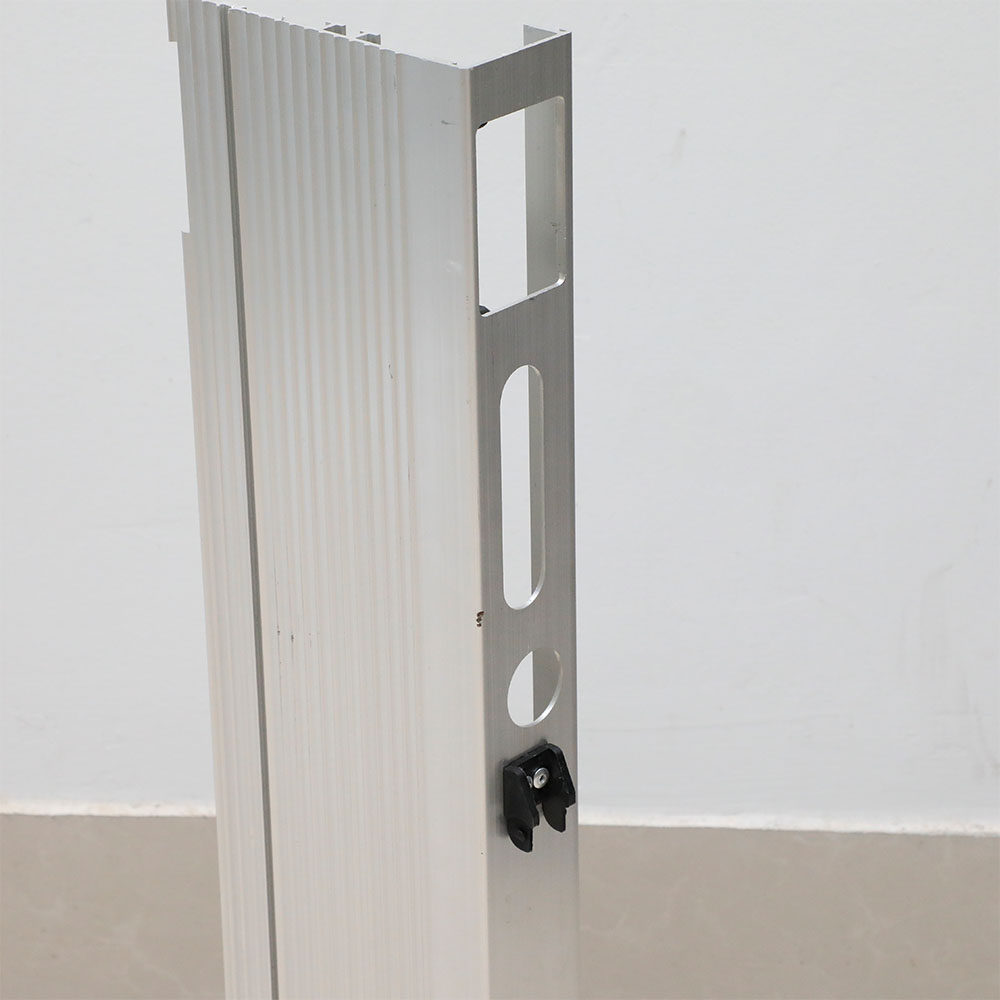
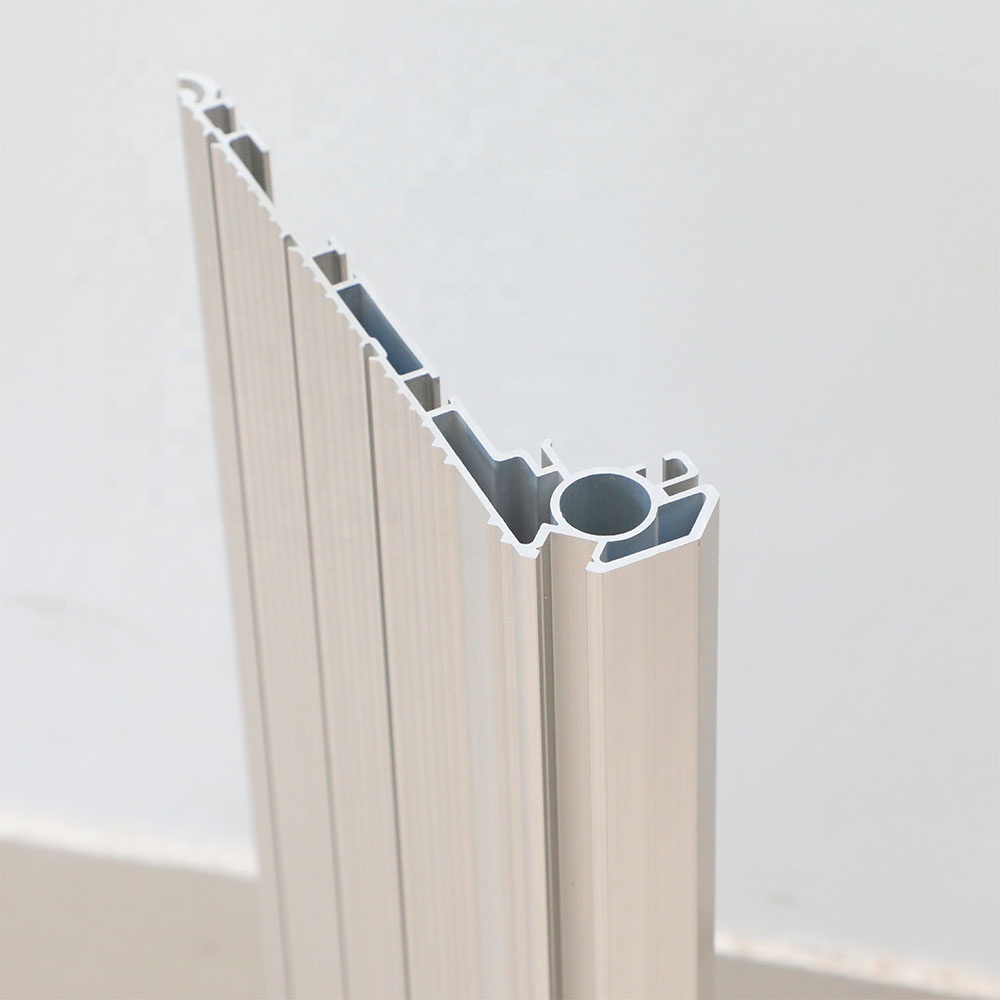
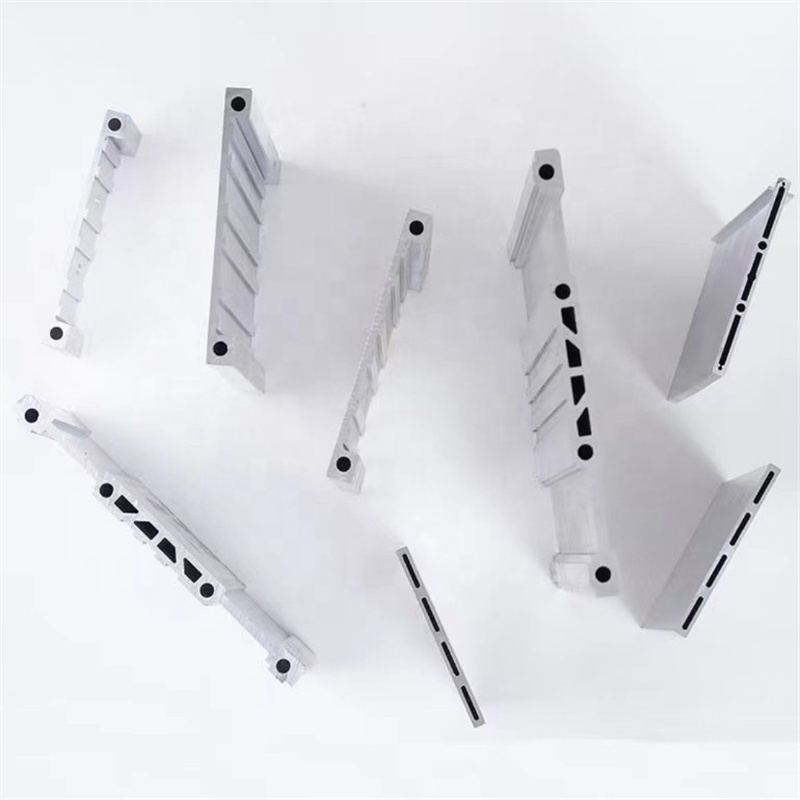
Aluminum End Plate
Key Specifications & Parameters
| Parameter | Specification / Options |
|---|---|
| Product Name | High-Precision Aluminum End Plate for EV Battery Enclosures |
| Material Grade | 6061-T6, 6063-T6, 3003-H14 (Automotive structural grade alloys) |
| Processing Capabilities | Heavy-Duty Extrusion, Precision CNC Milling, Tapping, Center Hole Boring, Deburring |
| Dimensional Tolerance | Strictly up to ±0.05mm (Ensures high-precision automated assembly fitment) |
| Welding Compatibility | Optimized for Friction Stir Welding (FSW) and Automated CMT/Laser Welding lines |
| Surface Finish | Degreased Mill Finish, Clean Sandblasting, Technical Anodized, Insulating Coating Treatment |
| Quality Compliance | Fully tracking IATF 16949 automotive manufacturing standards |
| Custom Service | Bespoke OEM/ODM manufacturing based on high-precision client CAD and STEP data |
Product Applications
- EV Battery Pack End Structures: Heavy structural compression plates installed at both ends of the lithium-ion cell module to provide continuous clamping force and counteract battery cell swelling.
- Aluminium Alloy Battery Cases: High-precision side and face closure plates sealing the outer structural protective box of pure electric vehicle (BEV) chassis packs.
- Hybrid Power Train Packings: Compact structural enclosure boundaries shielding battery modules inside plug-in hybrid vehicle (PHEV) utility blocks.
- Energy Storage Systems (ESS): Durable load-bearing end boundaries deployed to organize massive commercial liquid-cooled battery storage cabinets.
Product FAQ
Q1: Why is 6061-T6 aluminum alloy highly preferred over other grades for EV battery end plates?
A1: Lithium-ion cells expand naturally during continuous high-frequency charge and discharge cycles. The battery pack end plate must act as a rigid structural barrier to restrain this internal swelling pressure. 6061-T6 alloy exhibits outstanding yield and tensile parameters, providing excellent structural deflection behavior while keeping the weight profile down to maximize vehicle range metrics.
Q2: What dimensional tolerances can your machining facility maintain for bulk automotive orders?
A2: Automated automotive pack assembly lines require extreme precision to avoid structural alignment errors. Utilizing advanced multi-axis CNC machining centers, we can maintain rigid tolerances up to ±0.05mm for flatness, hole position accuracy, and localized thickness steps, ensuring perfect fitment for your automated welding robots.
Q3: How do your aluminum end plates perform under automated Friction Stir Welding (FSW) operations?
A3: Our plates are processed under strict chemical cleaning controls to minimize surface oxide and grease residues. The structural metallurgy of our 6000-series alloy sections provides superior thermal conductivity and crystal alignment, allowing for a perfectly consistent, pore-free joint during automated FSW line execution.
Q4: Can you apply specialized electrical insulation coatings to the inner face of the end plates?
A4: Yes, absolutely. To prevent arc flash overs and maximize electrical containment within the chassis battery box, we can provide post-machining surface options. This includes high-dielectric technical powder coatings or insulation barrier laminations applied precisely to your target surface zones according to your project blueprints.
Precision Aluminum Manufacturing & Custom OEM/ODM Services
Expert in Aluminum Extrusion, Deep Processing, and Finished Products.
