
LEADING CUSTOM ALUMINUMEXTRUSION MANUFACTURER
From mold design to precision CNC machining and surface treatment.
Providing one-stop aluminum profile solutions with 30 years of industry expertise.
Triple-Acid Polished and Oxidised Aluminium Profiles
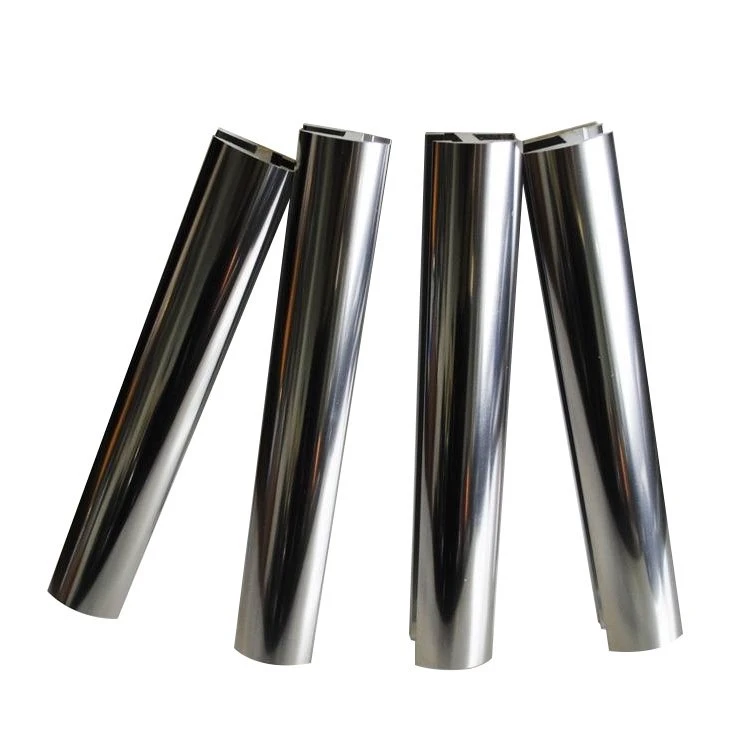
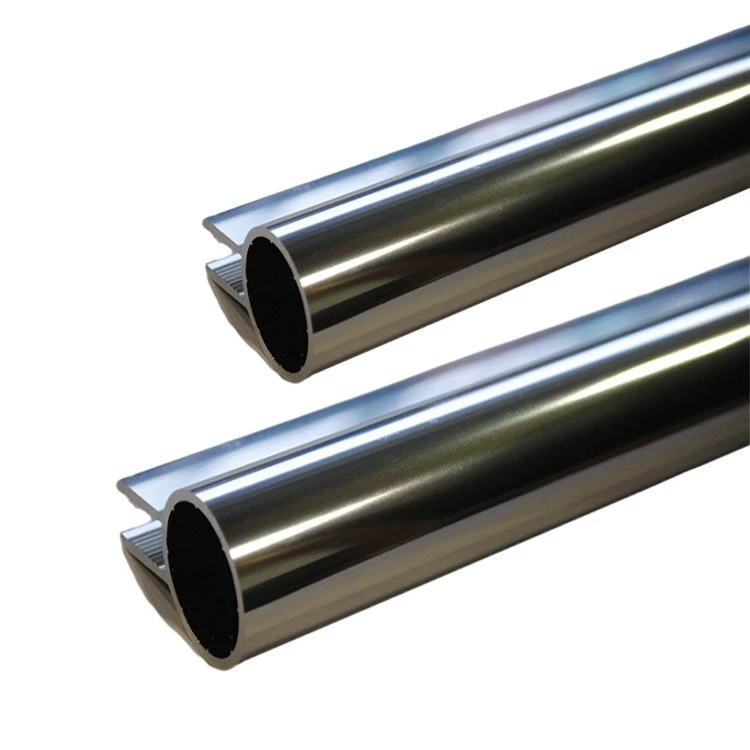
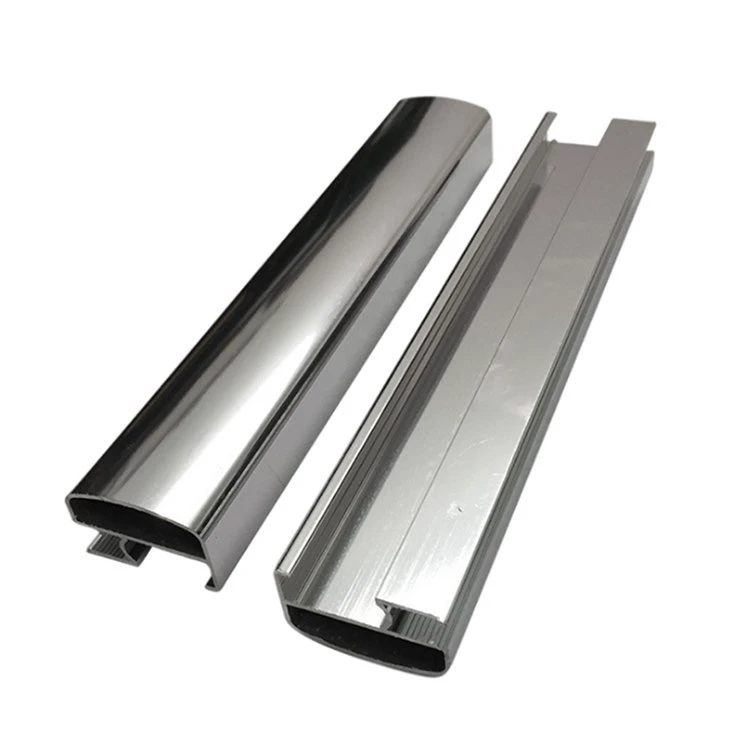
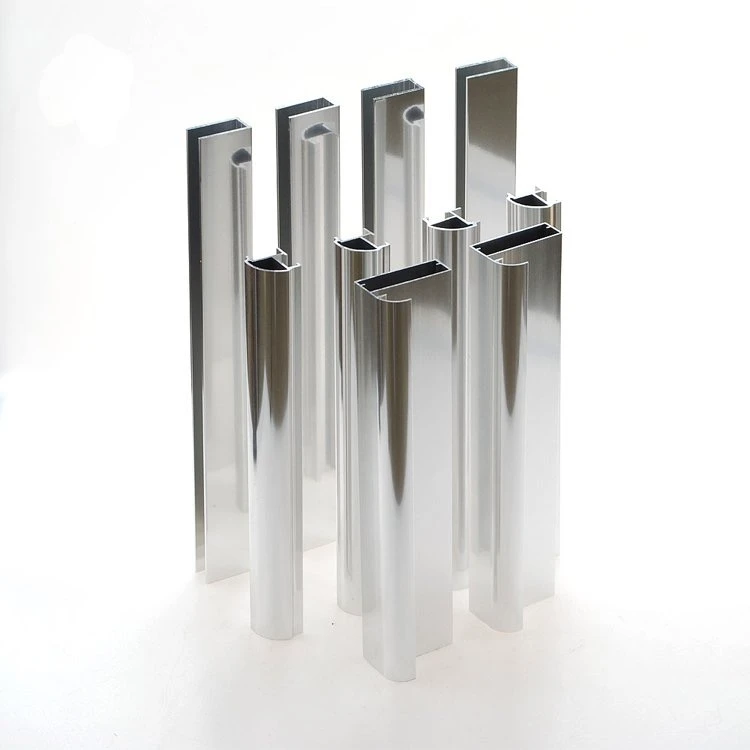
Key Specifications & Technical Parameters
| Key Parameter | Specification & Options |
|---|---|
| Product Name | Triple-Acid Polished and Oxidised Aluminium Profiles & Bars |
| Material Grade | 6463-T5, 6063-T6, 6005-T6 (Ultra-pure specialized brightening structural alloys) |
| Hardware Coupling | Standard alignment bracket plates, joint clips, and assembly screws unified in 304 stainless steel |
| Polishing Formulas | Phosphoric Acid + Nitric Acid + Sulfuric Acid Tri-Chemical Bright Dipping Matrix |
| Reflectivity Coefficient | Total Specular Reflection Index ≥ 85% to 92% (Matches strict international optical parameters) |
| Color Anodizing Tints | Mirror Chrome Silver, Bright Royal Gold, Gloss Champagne, Rose Gold, Glossy Jet Black |
| Dimensional Accuracy | Strict linear flatness controlled up to ±0.15mm to secure distortion-free mirror faces |
| Deep Machining Capability | CNC long-bed sawing, interlocking slot routing, precision component routing, thread tapping |
Target Product Applications
- High-End Lighting Reflectors: Technical mirror channels focusing commercial LED warehouse grow lights, specialized optical devices, and parabolic stage spotlights.
- Luxury Interior Architectures: High-gloss decorative wall tile trims, premium furniture edge bands, luxury shower door enclosures, and hotel ceiling framing grids.
- Premium Consumer Hardware: Glossy display cabinet profiles, showcase enclosure structures, high-end car interior accent rails, and electronic faceplates.
Comprehensive Technical FAQ
### Triple-Acid Chemical Brightening Principles
Q1: How does the triple-acid chemical polishing process achieve extreme mirror-like reflectivity on aluminum profiles?
A1: Traditional mechanical buffing lines leave micro-scratches and directional cloth traits that blur light reflections. Therefore, our advanced plant passes components through a highly calibrated bath containing phosphoric, nitric, and sulfuric acids. This triple-chemical matrix aggressively attacks and dissolves microscopic high spots or crystalline ridges across the profile walls significantly faster than it eats the valleys. Consequently, this selective micro-level smoothing achieves an unblemished, hyper-smooth metal topography with incredible optical clarity.
### Core Alloy Grade Requirements
Q2: Why do high-gloss mirror-polishing lines require high-purity aluminum alloys like 6463 grade instead of standard 6061?
A2: Material chemistry controls total specular reflection capabilities completely. Standard industrial grades like 6061 or heavy structural 6082 carry high percentages of iron, silicon, and manganese trace grains to satisfy structural yield limits. However, these underlying elements create milky clouding faults inside chemical bath dips. Therefore, our foundry utilizes specialized 6463 structural alloy with exceptionally low iron boundaries. As a result, this pure metal core ensures total transparent reflectivity after final processing line completion.
### Layer Thickness & Hardness Parameters
Q3: How do your chemical technicians protect high-gloss brightened profile faces from dulling during subsequent anodizing runs?
A3: Basic electrochemical oxidation grows a dense oxide shell that naturally turns slightly opaque as the film thickness expands, destroying mirror performance indicators. Consequently, our surface plant enforces tight parameters on current densities and bath dwell times to deposit a precise, high-purity clear oxide coat measuring 5 to 10 microns. Furthermore, this compact defensive layer provides a hard micro-skin without blocking your light wave parameters. Consequently, the pristine polished metal permanently resists surface oxidation and environment stains.
### CNC Processing Face Protection
Q4: What protective measures ensure high-reflection mirror profiles survive downstream factory assembly cutting and drilling without scratches?
A4: High-gloss polished mirror faces remain highly vulnerable to scratching during handling or multi-axis CNC milling setups. Therefore, our production facility applies custom heavy-gauge double-layer co-extruded protective films straight to the profile walls directly following chemical sealing lines. This low-tack defensive sheeting shields the pristine finish against sharp metal chips and clamp pressures. As a result, your operators peel off a flawless, mirror-perfect element post final warehouse assembly.
Precision Aluminum Manufacturing & Custom OEM/ODM Services
Expert in Aluminum Extrusion, Deep Processing, and Finished Products.
