
Transformation of the Aluminum Profile Industry in the Context of Global Industrial Lightweighting
As global manufacturing undergoes a profound transformation towards low-carbon, lightweight, and high-precision manufacturing, aluminum alloys, as a “green metal” with excellent power-to-weight ratio, superior thermal and electrical conductivity, and high recyclability, have become a core material foundation of modern industrial systems. From high-strength structural components in aerospace to battery casings in new energy vehicles, from precision guide rails in industrial automation to system doors and windows in architectural decoration, the breadth and depth of aluminum profile applications are experiencing unprecedented expansion. However, with the increasing precision of end products, the traditional segmented processing model—a fragmented model where mold design, profile extrusion, machining, and surface treatment are undertaken by different suppliers—has gradually exposed its drawbacks in cost control, quality traceability, and collaborative efficiency. Industry data shows that process connection failures often lead to increased noise, efficiency losses of over 20%, and even shorten product lifespan by more than 50%, with failure rates for complex projects reaching as high as 30%.1。
Against this backdrop, JIJU Aluminum has become a significant force driving industry transformation by providing a one-stop, fully integrated supply chain solution encompassing mold design and precision CNC machining. Founded in 1994 and boasting three decades of industry experience, JIJU Aluminum has achieved vertical integration from raw material smelting and casting to finished product assembly through its 300,000-square-meter modern production base and RMB 600 million in assets.2This one-stop solution is not simply a stacking of physical production processes, but a technological integration based on a deep understanding of aluminum alloy materials science, precision machining mechanics, and chemical surface engineering.
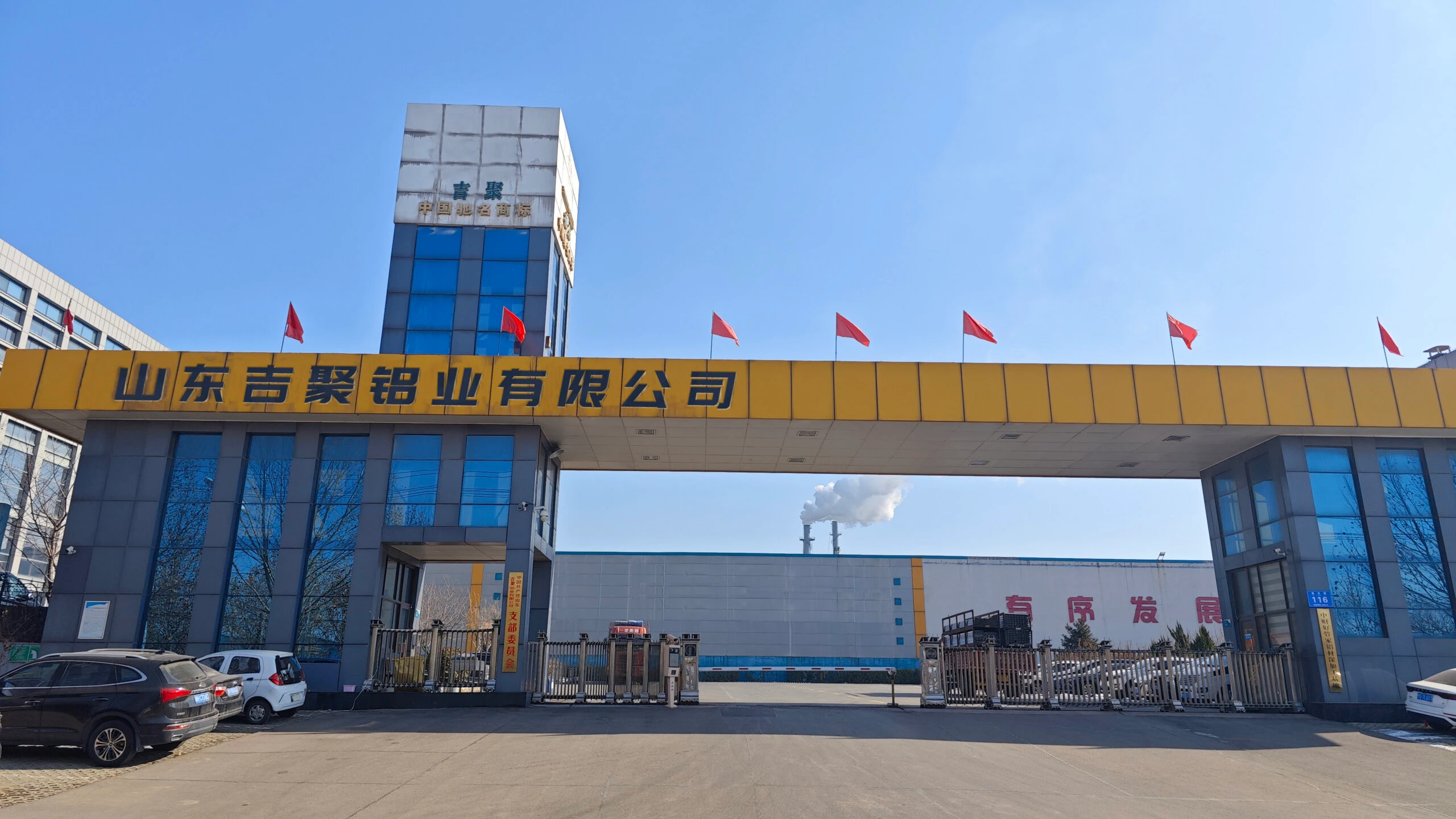
Jiju Aluminum’s Strategic Landscape and Corporate Foundation
Jiju Aluminum’s rise is not accidental, but rather based on long-term strategic investment and technological accumulation. Its 300,000-square-meter plant provides ample space for a complete industrial chain layout, ensuring that every step, from mold development and extrusion molding to deep processing and coating/oxidation, operates within a closed-loop system.2。
Deep integration of enterprise size and human capital
A company’s core competitiveness is often hidden behind the data. Jiju Aluminium has over 1,500 employees, including a technical team comprised of 32 senior technicians, 69 intermediate technicians, and 45 R&D experts, providing the company with continuous innovation momentum.2This talent structure means that Jiju not only possesses the capability for large-scale mass production, but also has the R&D expertise to handle highly complex, non-standard, and customized orders. The scale advantage of an annual production capacity of 155,000 tons enables the company to effectively mitigate the risks of raw material price fluctuations, providing global customers with highly competitive pricing strategies.2。
Quality assurance system under international standards
In the field of precision manufacturing, standardization is the passport to enter the global supply chain. Jiju Aluminum has successively passed ISO9001:2015 Quality Management System, ISO14001:2015 Environmental Management System, and ISO45001:2018 Occupational Health and Safety Management System certifications.2These certifications are not merely certificates; they represent the company’s rigorous pursuit of consistency and reliability throughout the entire production process. Especially when facing international markets in Europe, Asia, and Southeast Asia, these systematic management capabilities ensure that every aluminum profile produced by Jiju meets world-class industrial standards.2。
Source of Wisdom: Mold Design and Forward-Looking Research and Development
One-stop service begins with mold design. In aluminum extrusion, molds are hailed as the “mother of profiles.” The quality of mold design directly determines the cross-sectional accuracy, surface quality, and ease of subsequent processing of the profile.
The value of R&D experts’ decisions
Giju’s 45 technical R&D experts are responsible for transforming clients’ industrial designs into manufacturable engineering solutions.2During the initial consultation phase, the expert team will conduct a detailed feasibility analysis based on the client’s needs.3For example, when dealing with complex profiles, the R&D team uses CAE simulation to model the rheological behavior of aluminum alloys during extrusion and optimizes the design of the runner channels. This proactive approach effectively avoids cross-sectional distortion or surface texture caused by unreasonable die working zone design, reducing the scrap rate in subsequent precision CNC machining from the source.
Flexible production of customized molds
For startups or small projects, Giju has demonstrated strong service flexibility, supporting special customization for small-batch orders.2This means that the mold design process must consider not only durability for mass production but also the timeliness of rapid prototyping. A transparent process from design to prototype development allows customers to clearly perceive the progress at each step; this transparency is key to solving the pain point of information asymmetry in traditional outsourcing.3。
Core driving force: Multi-gradient aluminum extrusion process and equipment capabilities
Extrusion is a key process for changing the physical properties of aluminum alloys, and Jiju Aluminum’s investment in equipment in this field demonstrates its ambition to cover all industrial sectors.
Strategic tiers of 21 extrusion production lines
Jiju is equipped with 21 advanced extrusion machines, with tonnage ranging from 450T to 7500T.2This tiered tonnage design possesses exceptional industrial adaptability:
- Small tonnage presses (450T-1000T)It is mainly used to produce high-precision electronic heat sinks, lighting profiles and small parts for precision machinery.
- Medium and large tonnage presses (1200T-3000T)It undertakes the mass production of building doors and windows, automated equipment guide rails, and furniture decorative profiles.
- Ultra-large tonnage press (5500T-7500T)This is a crucial piece of equipment for Jiju to enter the high-end manufacturing market, capable of producing large-span, complex-section battery trays for new energy vehicles, rail transit structural components, and large photovoltaic brackets.2。
The table below details the coverage of Jiju Aluminium’s main production processes:
| Production process | Equipment/Process Details | Technical parameters/features | Typical application scenarios |
| Extrusion molding | 21 extrusion lines (450T – 7500T) | Annual production capacity of 155,000 tons | Construction, Industry, Automotive, Photovoltaics |
| Casting accessories | Automated melting furnace and soaking system | Ensure uniform alloy composition | We produce our own aluminum rods to control quality at the source. |
| Mold Center | Supported by 45 R&D experts | Customized design of complex profiles | Rapid prototyping, precision cross-section control |
Metallurgical control of high-end alloy grades
On the raw material side, Jiju has mastered the production and tempering processes for various grades. Besides the most common 6063 (which has excellent surface treatment properties), the company also widely uses alloys with higher mechanical strength, such as 6061 and 6082.2The application of 6N01 and 6066-T66 alloys, tailored to the specific needs of the new energy sector, signifies that Jiju has achieved an industry-leading level in balancing high yield strength and extrusion moldability.
The Pinnacle of Precision: Five-Axis CNC Machining and Deep Customization
When an aluminum profile emerges from the extruder, it is merely a “linear part.” To transform it into an industrial component with specific functions, it must undergo precision machining. CNC machining is the finishing touch in Jiju Aluminum’s one-stop solution.
Performance indicators of advanced CNC equipment clusters
Jiju has invested a large number of high-precision equipment in its deep processing center to meet the processing needs of complex spatial curved surfaces.
- Prady series machining centers Includes 4 sets of 4500 Prady and 2 sets of 6500 Prady equipment.2These devices are designed with long strokes specifically for industrial aluminum profiles that are several meters long, enabling one-stop sawing, drilling, and milling of long profiles, avoiding the cumulative errors caused by multiple clamping operations.
- 5-axis machining centerThe presence of four 5-axis CNC machines enables Jiju to process complex irregular surfaces.2When machining precision housings for new energy vehicles or aerospace components, five-axis linkage ensures that the cutting tool maintains the optimal cutting angle while machining curved surfaces, thereby achieving…
Ultra-precision tolerance control within 1000 mm2。
Solving the thermodynamic pain points in aluminum processing
Aluminum alloys are highly susceptible to thermal deformation during CNC machining. Jiju’s technical team optimized clamping practices and adopted symmetrical clamping force control technology to avoid part warping caused by excessive clamping at a single point.4For thin-walled parts, Jiju utilizes strategic positioning of support points, combined with a high-speed, constant-temperature cutting environment, to ensure the geometric stability of the parts after machining. This extreme pursuit of machining details is the technological foundation that allows its products to be widely used in precision instruments and core components of new energy.
The table below compares the differences between Jiju’s CNC machining capabilities and traditional machining:
| Processing indicators | Jiju One-Stop Deep Processing | Traditional third-party manufacturing | Analysis of technical advantages |
| Machining tolerances | ±0.01mm | ±0.1mm~ | High-precision five-axis equipment in conjunction with skilled technicians2 |
| Maximum machining length | 2000mm (typical), up to 6.5m in length. | Usually limited by equipment, it is mostly within 1 meter. | Prady long-stroke equipment is designed specifically for profiles.2 |
| Process connection | Extrusion, CNC machining, and surface treatment are seamlessly integrated internally. | Segmented outsourcing leads to high logistics and communication costs. | Internal quality traceability reduces efficiency loss by 20%.1 |
| Complex irregular shape processing | Five-axis linkage, supporting complex curved surfaces | It can only perform simple drilling, cutting, and milling. | Meeting the needs of new energy and aerospace components2 |
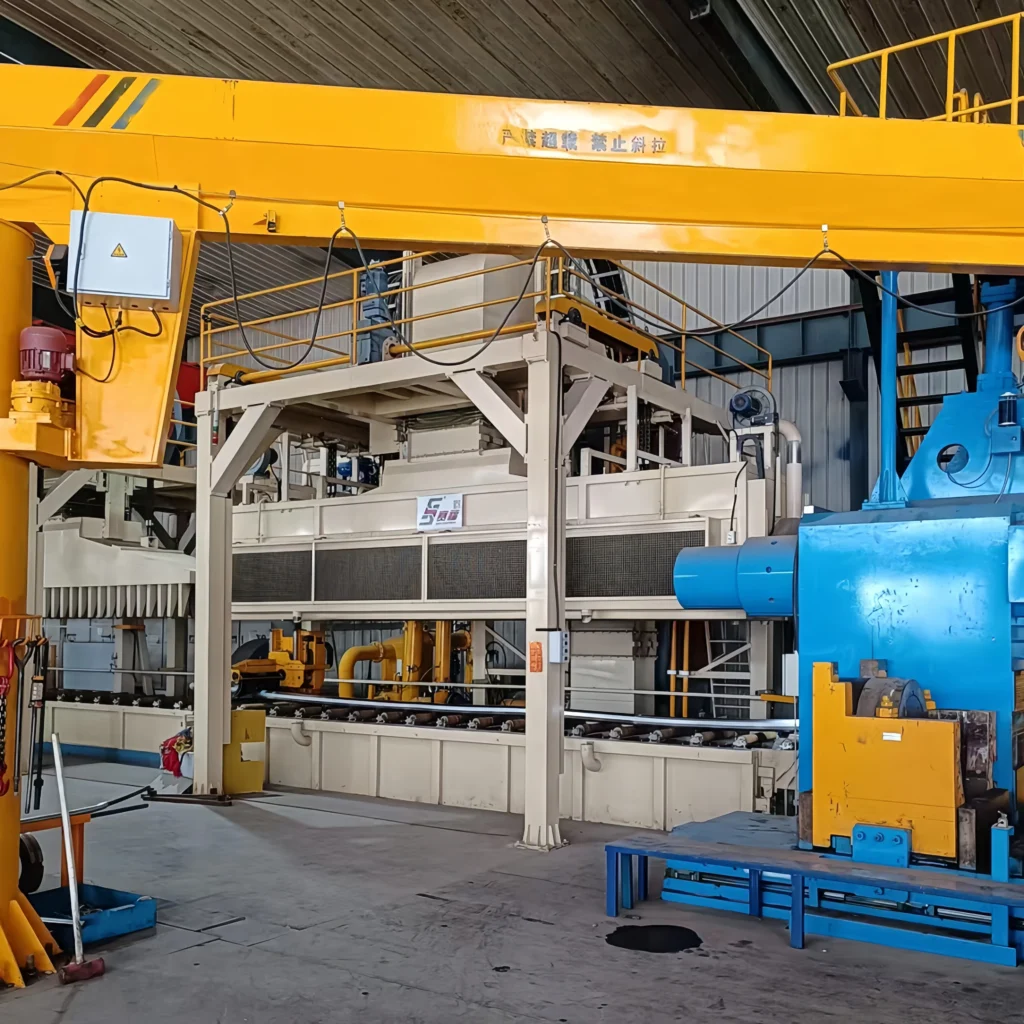
A Symphony of Chemistry and Art: Surface Finishing Systems
Surface treatment is not only for aesthetics, but also to enhance the weather resistance, corrosion resistance, and specific functions (such as conductivity or insulation) of aluminum profiles. Jiju Aluminum Industry possesses complete anodizing and spraying production lines, enabling it to provide customers with comprehensive protection and decorative solutions.
Multiple Dimensions of Oxidation Pond
Anodizing is the most crucial surface treatment method for aluminum profiles. Jiju’s anodizing processes encompass anodizing, sandblasting anodizing, alkaline sandblasting anodizing, acid sandblasting anodizing, and wire drawing anodizing.2。
- Durability Studies have shown that black is the most durable color in anodizing, effectively resisting fading and scratches.6By precisely controlling the oxide layer thickness (typically 5-25 micrometers) and the sealing quality, Jiju ensures the stability of its profiles in harsh environments.7。
- Aesthetic diversityIn addition to the traditional silver (natural) and bronze, Jiju also offers a variety of colors including red, blue, gold, green, and purple. These colors are permanently infiltrated into the pores of the oxide film through electrolytic coloring or dyeing technology, resulting in excellent gloss and durability.8。
Automated coating production line
For construction and large industrial equipment, Jiju has introduced vertical and horizontal spraying lines, supporting powder coating, fluorocarbon coating, and wood grain heat transfer printing.2Powder coating offers a full range of customizable colors, while fluorocarbon coating, with its superior chemical resistance, is used in coastal buildings or highly polluted industrial areas. The application of wood grain heat transfer technology allows aluminum profiles to possess both the strength of metal and the visual warmth of solid wood, making it an ideal choice for modern green building decoration.
A diversified product portfolio: from daily necessities to cutting-edge industries
Based on its one-stop solution, Jiju Aluminium has built a vast product matrix spanning multiple industries, with each series representing a concrete manifestation of its business and technological strength.
New energy and transportation
Jiju has a particularly strong presence in the new energy sector, with its main products including battery trays for new energy vehicles, aluminum housings, radiators, and photovoltaic brackets.2Because these products often have extremely high requirements for the thermal conductivity, sealing performance, and structural strength of materials, Geely began its involvement from the alloy R&D stage. It ensured the tight structure of the profiles through high-tonnage extrusion and guaranteed the absolute precision of the mounting holes and sealing grooves through five-axis CNC machining. As an official partner of the Harbin Asian Winter Games, Geely provided key component support for the delivery of 950 intelligent premium vehicles (including 350 alcohol-hydrogen hybrid vehicles). This is not only a testament to product strength but also a reflection of brand honor.9。
Industrial Automation and Electronic Lighting
- Radiator Series From microchip heat sinks to large, high-power inverter heat sinks, Jiju maximizes the heat dissipation surface area using its precise extrusion tooth ratio design.2。
- LED lighting We offer complete solutions including LED aluminum lamp housings and track light housings, combined with meticulous anodizing treatments to improve the heat dissipation efficiency and aesthetic appeal of the lighting fixtures.2。
- Guide rails and frames T-slot and V-slot Aluminium Profiles are readily available products from Jiju and are widely used in industrial automation production lines, 3D printer racks, and DIY workbenches.2。
Building Systems and Customized Doors and Windows
As a traditional strength of the company, Jiju provides customized building materials services covering doors, windows, sliding doors, and railings.2These products not only meet building structural safety standards, but also incorporate precision machining concepts in the design of the pulley tracks, ensuring the smoothness and airtightness of the sliding doors. Furthermore, decorative materials such as aluminum handles and picture frames showcase Jiju’s ability to handle aesthetic details.2。
The core logic of one-stop service: cost reduction and efficiency improvement, and project management.
Jiju Aluminum’s One-Stop Service is essentially a “reshaping” of the customer’s supply chain. For customers, this means a closed-loop experience from the initial creative idea to the final packaging and shipping.
The Value of Consultation and Transparent Pricing
The success of a project begins with proper communication. Jiju provides detailed and clear quotations, covering everything from materials and molds to the timeline of each processing step.3This transparency eliminates clients’ concerns about hidden costs. At the same time, the feasibility analysis provided by the technical team often saves clients 10%-15% on material waste through optimized design.
The logic of shortening delivery cycle
In the traditional fragmented supply model, logistics transit times and scheduling conflicts between different suppliers often lead to project delays. By optimizing its internal processes, Giju has shortened the average production cycle of complex components to 2 to 4 weeks.5Within the same factory area, profiles can go directly from the extrusion line to the CNC workshop, and then to the surface treatment center. This physical “proximity effect” greatly improves turnover efficiency.
Full-process quality traceability
When all processes are completed in-house at Giju, each part has a complete “quality history.” If a defect appears in the surface oxide layer, it can be quickly traced back to the quality of the preceding extrusion or the condition of the die, allowing for fundamental process optimization, rather than shifting responsibility between different suppliers. This closed-loop responsibility system is what Giju can guarantee.Prerequisite for machining accuracy2。
In-depth benchmarking of industry pain points and Jiju’s solutions
To better understand the market value of Jiju Aluminium, it is necessary to examine the long-standing problems in the industry.
Pain Point 1: Error Accumulation Due to Multi-Supplier Collaboration
In complex aluminum profile projects, mold factories, extrusion plants, and machining plants often operate independently. Extrusion plants believe that as long as the tolerances meet national standards, it is sufficient. However, for high-precision CNC machining, such broad tolerances can lead to clamping difficulties or uneven machining allowances.
- Jiju Countermeasures A unified “full-cycle tolerance chain” is developed by R&D experts. The most reasonable machining path is reserved for CNC during the mold design stage to ensure that the profile provides the best process foundation for the next process at every stage.
Pain Point 2: Performance Loss and High Project Failure Rate
Improper clamping or mismatched heat treatment processes in aluminum parts can lead to severe warping and stress release, resulting in an efficiency loss of over 20%.1。
- Jiju CountermeasuresThrough professional fixture design and symmetrical mold-locking practices, combined with advanced homogenization casting technology, deformation is suppressed from both microstructure and macroscopic physical support aspects.4。
Pain Point 3: Insufficient Response Speed and Flexibility
Traditional large factories are often unwilling to accept small-scale customized orders, while small workshops lack high-end CNC and surface treatment capabilities.
- Jiju CountermeasuresBalancing economies of scale with customization flexibility, the system can support standardized orders of 155,000 tons per year while also having a dedicated rapid prototyping team to support small-batch customization for startups, providing comprehensive support from engineering consulting to prototype development.2。
Future Outlook: Precision Aluminum Machining Driven by Digitalization
With the arrival of Industry 4.0, Jiju Aluminium is gradually integrating more digital elements into this one-stop system. From automated extrusion monitoring systems to networked collaboration in CNC workshops, the flow of data is replacing the transmission of experience as a new means of quality assurance.
Aluminum profiles are no longer just structural materials; they are evolving into functional materials. In the future, Jiju Aluminum will continue to focus on lightweighting for new energy vehicles, green energy infrastructure, and smart homes. By continuously increasing the proportion of five-axis CNC machining and developing more environmentally friendly surface treatment technologies, Jiju aims to provide global customers with customized aluminum profile solutions that are lower carbon footprint, more precise, and more cost-competitive.
As a global leader in customized aluminum profiles, Jiju Aluminum’s 30-year journey has proven that only by truly integrating the entire industry chain from mold design to precision CNC machining can one create irreplaceable value for customers in fierce global competition.2。
Core Data Overview Table
| Dimension | Data/Qualifications |
| Founding time | 1994 (30 years of industry experience)2 |
| Factory area | 300,000 square meters2 |
| Total assets | 600 million RMB2 |
| Annual production capacity | 155,000 tons2 |
| Machining accuracy | 2 |
| Research and development capabilities | 45 R&D experts, 100+ technical engineers2 |
| Core Certification | ISO9001, ISO14001, ISO45001 2 |
| Typical equipment | 7500T extrusion press, Prady 6500, five-axis CNC machine2 |
Through the comprehensive analysis of Jiju Aluminium’s deeply customized solutions, it is easy to see that this company has successfully integrated the profound heritage of traditional manufacturing with cutting-edge modern precision machining technology, providing modern industry with a one-stop “evolutionary path” from blueprints to finished products.
Cited works
- Gear Machining Services: The Ultimate Guide to Custom Gear Manufacturing and Choosing the Best Processes – LS Manufacturing, accessed April 20, 2026.https://www.lsrpf.com/zh-Hans/blog/what-are-gears-and-why-manufacturing-methods-matter-how-to-choose-the-best-process-for-you
- JIJU: Custom Aluminum Extrusion Manufacturer & Supplier, accessed April 20, 2026.http://jijualuminium.com/
- CNC Machining Applications: Industry Case Studies and Customized Solutions, accessed April 20, 2026.https://www.lsrpf.com/zh-Hans/blog/what-are-the-applications-of-cnc-machining
- The Ultimate Guide to Preventing Deformation and Stress in CNC Milled Aluminum – LS Manufacturing, accessed April 20, 2026.https://www.lsrpf.com/zh-Hans/blog/ultimate-guide-to-prevent-warping-stress-in-cnc-milling-aluminum
- How Does CNC Machining Work? Explaining the Process and Services (2025) – LS Manufacturing, accessed April 20, 2026.https://www.lsrpf.com/zh-Hans/blog/how-does-cnc-machining-work
- What are the most durable anodized colors for aluminum alloy CNC parts? – Worthy Hardware, accessed April 20, 2026https://www.worthyhardware.com/zh-CN/news/what-are-the-most-durable-anodized-colors-for-aluminum-cnc-parts/
- Blue Anodized Aluminum Guide: Process, Durability, and Applications – TiRapid, accessed April 20, 2026.https://tirapid.com/zh-CN/blue-anodized-aluminum/
- CNC Machining | Custom Anodized Aluminum Color Options – Zintilon, accessed April 20, 2026.https://www.zintilon.com/zh-CN/blog/anodized-aluminum-colors/
- “Let the world be filled with Geely’s drive towards a sustainable future: Compliance and Business Ethics, Climate Action, Resource Conservation, Transportation, Value Chain Responsibility,” Employee. Access date: April 20, 2026.http://esg-disclosure.com/%E6%8A%A5%E5%91%8A/%E5%90%89%E5%88%A9%E6%8E%A7%E8%82%A1%E9%9B%86%E5%9B%A22024%E5%8F%AF%E6%8C%81%E7%BB%AD%E5%8F%91%E5%B1%95%E6%8A%A5%E5%91%8A.pdf

