
Modern buildings require door and window systems that are durable, energy-efficient, visually appealing, and easy to maintain. Among all available materials, aluminum profiles have become one of the most popular choices for residential, commercial, and industrial construction projects.
However, not all aluminum profiles are the same. The quality of the alloy, surface treatment, structural design, and manufacturing precision directly affect the performance and lifespan of doors and windows.
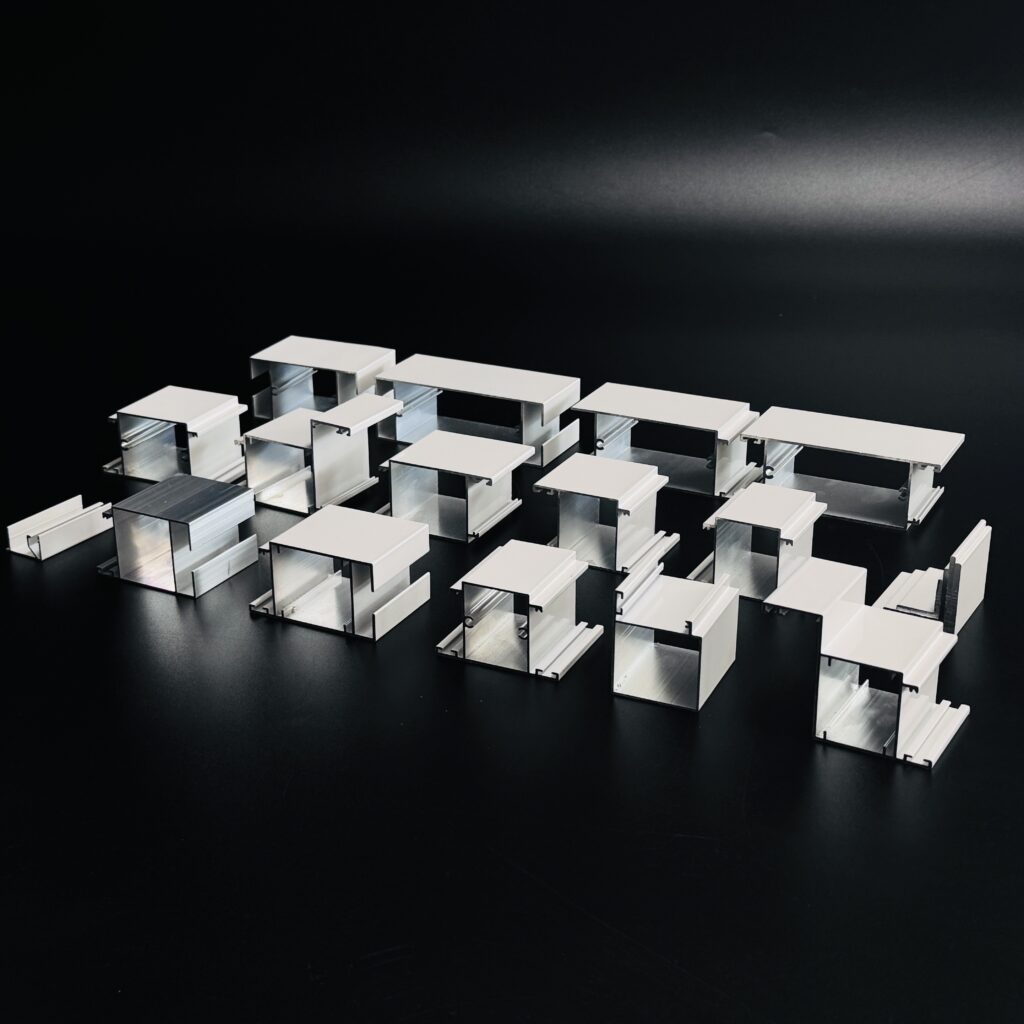
In this guide, we will explain how to choose the best aluminum profiles for doors and windows and what factors buyers, contractors, and project developers should consider before placing an order.
Why Aluminum Profiles Are Widely Used In Doors And Windows
Aluminum profiles are widely used because they offer an excellent balance of strength, lightweight performance, corrosion resistance, and modern appearance.
Compared with traditional steel or wood materials, aluminum profiles provide several advantages:
- Lightweight but high structural strength
- Excellent corrosion and weather resistance
- Long service life with low maintenance
- Modern and elegant appearance
- Flexible customization options
- Suitable for large glass panels
- Recyclable and environmentally friendly
Today, aluminum extrusion profiles are commonly used in:
- Sliding doors
- Casement windows
- Folding doors
- Curtain wall systems
- Balcony enclosures
- Commercial storefronts
- Sunrooms and architectural facades
High-quality aluminum systems also improve thermal insulation and overall building energy efficiency.
Understand The Aluminum Alloy Grade
One of the most important factors when choosing aluminum profiles is the alloy material.
For doors and windows, 6063 aluminum alloy is one of the most commonly used materials because it offers excellent extrusion performance, smooth surface quality, and strong corrosion resistance.
Common aluminum alloy options include:
| Alloy | Features | Applications |
|---|---|---|
| 6063-T5 | Smooth surface, good corrosion resistance | Doors and windows |
| 6061 | Higher strength | Industrial structures |
| 6005 | Good load-bearing performance | Heavy-duty systemsCheck The Thickness Of The Aluminum Profile |
For architectural applications, 6063-T5 aluminum profiles are usually the preferred choice because they provide a clean appearance and stable performance for long-term outdoor use.
Check The Thickness Of The Aluminum Profile
Profile thickness directly affects the durability and stability of doors and windows.
Thicker profiles usually provide:
- Better wind resistance
- Improved load-bearing capacity
- Enhanced safety
- Reduced deformation risk
For residential projects, aluminum profile thickness commonly ranges from 1.2 mm to 2.0 mm depending on the application.
General recommendations:
- Sliding windows: 1.2–1.4 mm
- Casement windows: 1.4–1.8 mm
- Heavy-duty doors: 2.0 mm or above
Always verify whether the supplier meets local building standards and project requirements.
Choose The Right Surface Treatment
Surface treatment plays a critical role in appearance, weather resistance, and product lifespan.
Popular surface finishes include:
Anodizing
Anodized aluminum profiles offer:
- Strong corrosion resistance
- Elegant metallic appearance
- Scratch resistance
- Long-lasting color stability
This finish is commonly used in modern architectural projects.
Powder Coating
Powder-coated aluminum profiles are popular because they provide:
- Rich color options
- UV resistance
- Excellent weather durability
- Smooth surface texture
Black, grey, white, and wood grain finishes are especially popular in modern buildings.
Wood Grain Finish
Wood grain aluminum combines the appearance of wood with the durability of aluminum.
Advantages include:
- Natural decorative appearance
- Low maintenance
- Waterproof performance
- Long service life
It is widely used in villas, apartments, and luxury residential projects.
Many manufacturers now provide customized surface treatments including anodizing, powder coating, electrophoresis, and wood grain finishes.
Consider Thermal Break Technology
Thermal break aluminum profiles are becoming increasingly important in energy-efficient buildings.
A thermal break profile contains an insulated barrier between the interior and exterior aluminum sections. This design helps reduce heat transfer and improves insulation performance.
Benefits include:
- Better energy efficiency
- Reduced indoor heat loss
- Improved sound insulation
- Better indoor comfort
- Lower air conditioning costs
Thermal break aluminum windows are especially suitable for:
- Cold climates
- Hot weather regions
- High-end residential projects
- Commercial buildings requiring energy-saving systems
Evaluate Structural Design And Performance
A high-quality aluminum profile should not only look good but also provide excellent structural performance.
Important factors include:
Wind Resistance
Profiles should withstand strong wind pressure without bending or deformation.
Water Tightness
Good sealing design prevents water leakage during heavy rain.
Air Tightness
Proper sealing improves insulation and indoor comfort.
Load Capacity
Profiles must support the weight of glass panels and hardware safely.
Multi-chamber and reinforced profile structures often provide better overall performance for modern window and door systems.
Check The Manufacturer’s Production Capability
Choosing a reliable aluminum extrusion manufacturer is equally important.
A professional manufacturer should offer:
- Advanced extrusion production lines
- Precision mold development
- Surface treatment capability
- CNC machining services
- Strict quality inspection
- OEM & ODM customization
- Stable delivery time
Experienced suppliers can also help optimize profile structures, reduce production costs, and improve installation efficiency.
Manufacturers like JIJU Aluminium provide custom aluminum extrusion solutions for doors, windows, industrial systems, and architectural projects. Their product range includes sliding door profiles, thermal break window systems, decorative profiles, and customized extrusion solutions.
Custom Aluminum Profiles Vs Standard Profiles
Many projects today require customized aluminum profiles instead of standard market products.
Custom extrusion profiles offer advantages such as:
- Unique architectural appearance
- Better compatibility with project requirements
- Improved installation efficiency
- Enhanced product differentiation
- Flexible dimensions and structures
Custom profiles are widely used in:
- Commercial buildings
- Luxury residential projects
- Smart home systems
- Industrial equipment
- Curtain wall engineering
Professional manufacturers can provide mold design, extrusion production, CNC machining, and surface finishing as a complete one-stop solution.
Common Mistakes When Choosing Aluminum Profiles
Avoid these common purchasing mistakes:
Choosing Low-Cost Thin Profiles
Extremely cheap profiles may reduce structural stability and lifespan.
Ignoring Surface Treatment Quality
Poor coating quality may cause fading, peeling, or corrosion.
Overlooking Thermal Insulation
Non-thermal break systems may increase long-term energy costs.
Selecting Unqualified Suppliers
Inexperienced manufacturers may deliver inconsistent dimensions or unstable quality.
Focusing Only On Price
Long-term durability and performance are often more important than initial cost.
How To Select The Right Aluminum Profile Supplier
When evaluating suppliers, consider the following:
- Manufacturing experience
- Production capacity
- Quality certifications
- Export experience
- Surface treatment capability
- Mold customization service
- Delivery efficiency
- Technical support
It is also recommended to request:
- Product samples
- Surface finish comparison
- Alloy certification
- Factory inspection photos
- Production videos
Reliable suppliers usually provide complete technical support before production.
Final Thoughts
Choosing the best aluminum profiles for doors and windows requires careful consideration of alloy grade, profile thickness, surface treatment, thermal insulation, and supplier capability.
High-quality aluminum profiles not only improve the appearance of a building but also provide better safety, durability, and energy efficiency for long-term use.
Whether you are working on residential construction, commercial buildings, or customized architectural projects, selecting the right aluminum extrusion partner can significantly improve project quality and reduce future maintenance costs.
If you are looking for customized aluminum extrusion solutions for doors and windows, working with an experienced manufacturer can help ensure stable quality, professional support, and efficient production.
FAQ
What aluminum alloy is best for windows?
6063-T5 aluminum alloy is one of the most commonly used materials for doors and windows because of its excellent corrosion resistance and smooth surface finish.
Are aluminum window profiles energy efficient?
Yes. Thermal break aluminum profiles can significantly improve insulation and reduce energy consumption.
How long do aluminum profiles last?
High-quality aluminum profiles can last more than 20 years with proper surface treatment and maintenance.

