
Aluminum Alloy Doors and Windows in Buildings: 12 Innovative Applications and 9 Buying Tips for Importers
Why Aluminum Alloy Doors and Windows Are Becoming a Global Building Material Choice
In recent years, aluminum alloy doors and windows have become one of the fastest-growing categories in the global construction and building materials industry. From residential apartments and villas to shopping malls, hotels, office towers, and industrial projects, more developers and contractors are replacing traditional steel or wooden systems with modern aluminum windows and doors.
For building material supermarkets, wholesalers, distributors, and project contractors importing from China, this trend creates significant business opportunities. High-quality architectural aluminum doors and commercial aluminum windows not only improve building appearance, but also help reduce energy consumption, maintenance costs, and long-term replacement expenses.
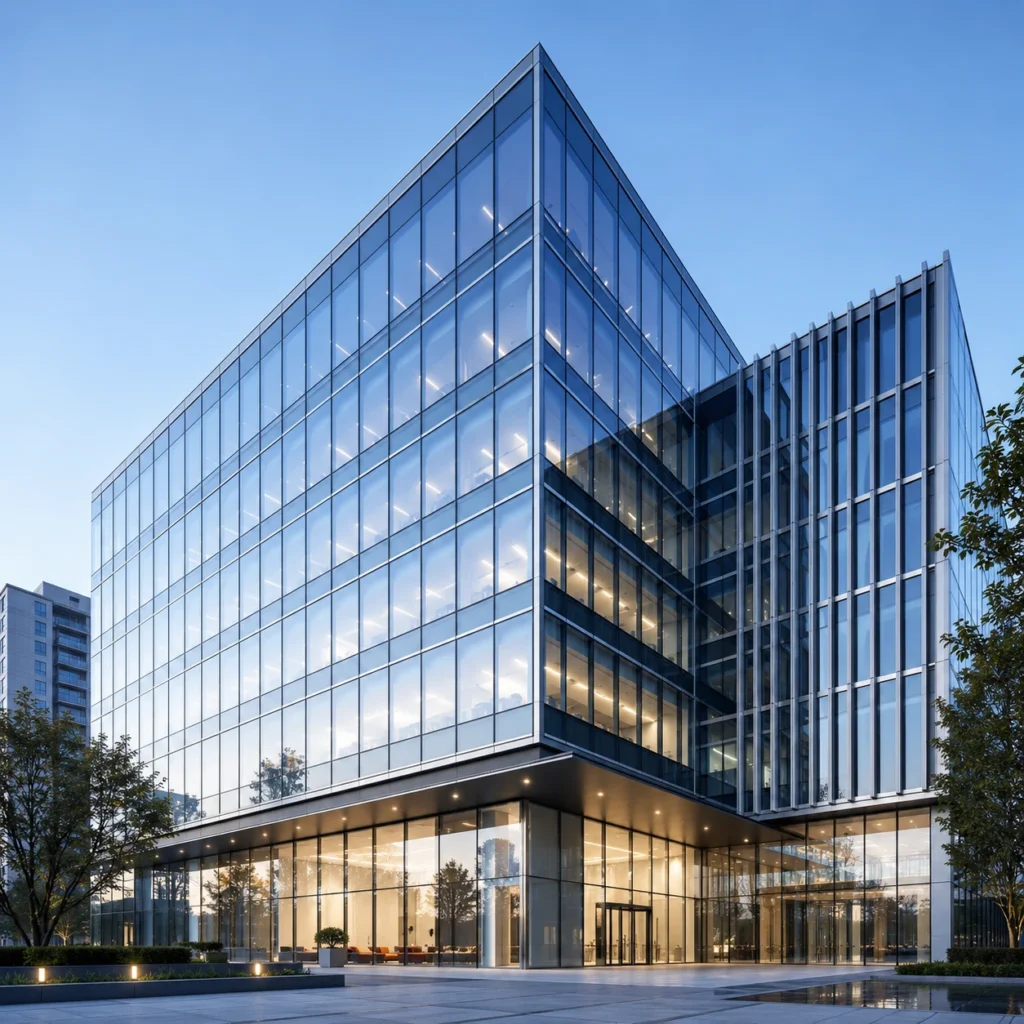
Global Demand for Aluminum Window and Door Systems Is Rapidly Growing
The global market for aluminum window frames and door systems continues to expand due to urbanization, green building standards, and energy-saving regulations.
According to industry reports, the global aluminum doors and windows market is expected to exceed tens of billions of dollars within the next few years, especially in:
- North America
- Europe
- Middle East
- Southeast Asia
- Africa
Modern developers are increasingly demanding:
- thermal break aluminum windows
- double-glazed systems
- Low-E insulated glass
- large sliding aluminum doors
- custom color powder-coated frames
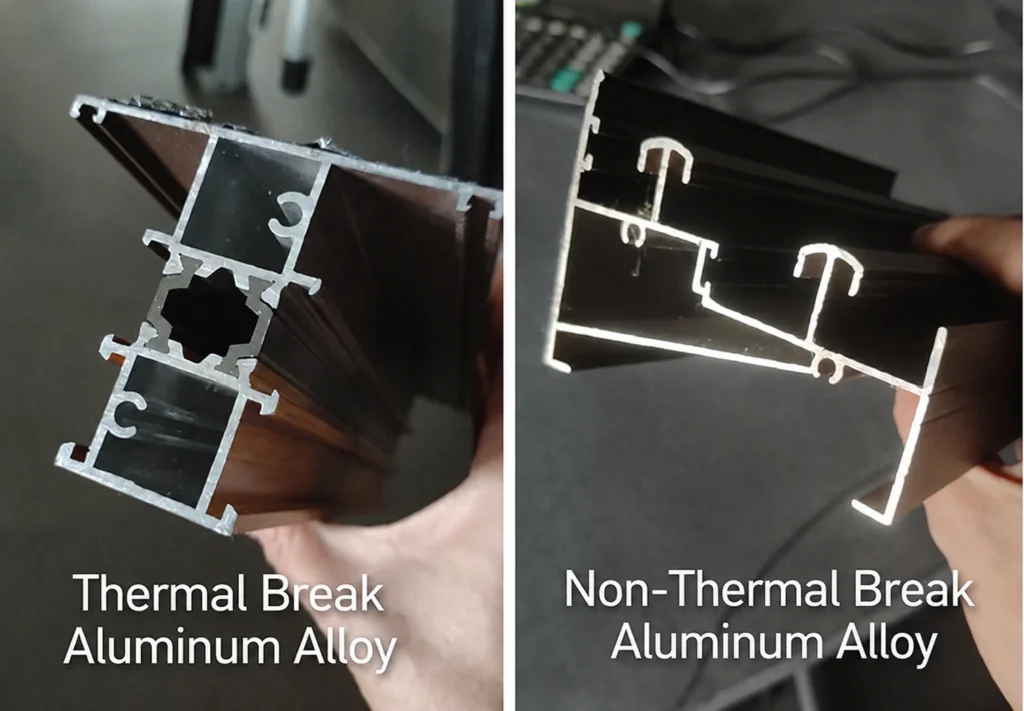
These products help buildings achieve better thermal insulation, soundproofing, and modern architectural aesthetics.
Why the Market Is Expanding
Energy Efficiency Requirements
Buildings account for a major portion of global energy use. Poor-quality windows can significantly increase air conditioning and heating costs. This is why thermal break aluminum windows are becoming a preferred choice in residential and commercial projects.
Compared with traditional systems, advanced fenestration systems with insulated aluminum profiles can:
- reduce heat transfer
- improve indoor comfort
- lower electricity consumption
- enhance building envelope performance
Modern Architectural Design Trends
Architects now prefer slim-frame, large-glass designs that maximize natural lighting. Aluminum is lightweight yet strong, making it ideal for:
- floor-to-ceiling windows
- panoramic sliding doors
- curtain wall systems
- modern balcony systems
This is one reason why aluminum sliding doors and aluminum casement windows are widely used in luxury housing and commercial buildings.
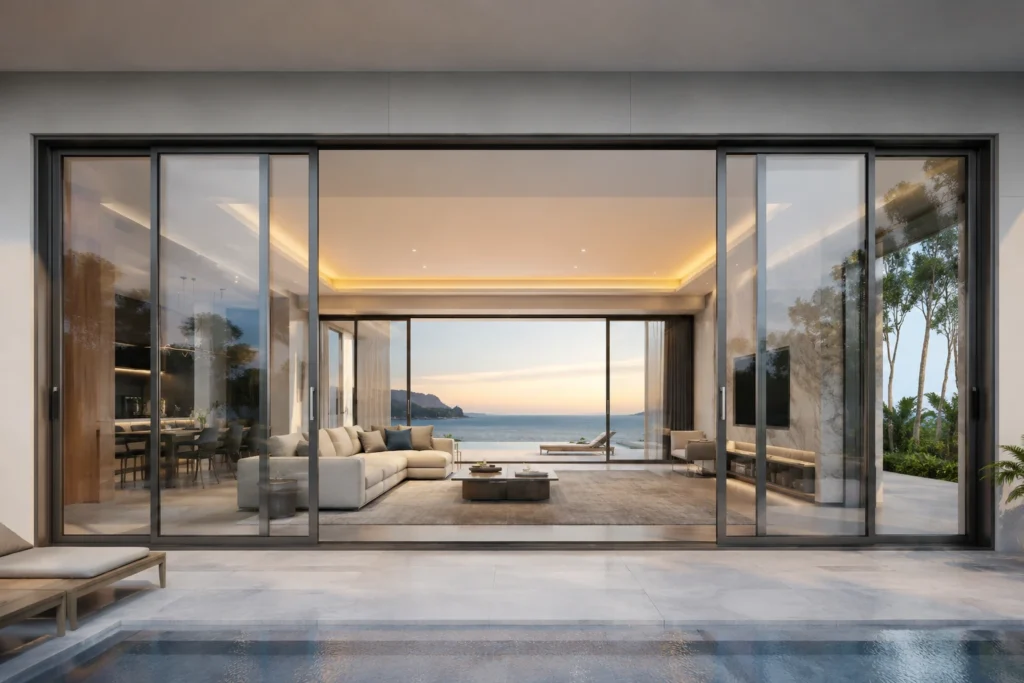
Why Building Material Retailers Should Pay Attention
For overseas building material supermarkets and distributors, importing aluminum alloy doors and windows from China offers several advantages.
Competitive Factory Pricing
China has one of the world’s most mature aluminum processing supply chains. Experienced manufacturers can provide:
- custom profiles
- bulk procurement support
- OEM/ODM branding
- flexible container loading
- stable production capacity
This allows importers to achieve better profit margins while maintaining competitive retail pricing.
Strong Product Customization Capabilities
Today’s buyers are no longer satisfied with standard products. Retailers increasingly require:
- customized dimensions
- different opening styles
- powder coating colors
- anodized finish options
- different glass specifications
- premium hardware systems
Professional aluminum doors and windows manufacturers can customize products according to local market preferences and climate conditions.
Aluminum Systems Support Sustainable Building Development
Sustainability has become a key selling point in the construction industry. Aluminum is highly recyclable, corrosion-resistant, and durable.
Unlike traditional wood systems, aluminum does not easily:
- crack
- deform
- rot
- suffer termite damage
This makes commercial aluminum windows ideal for coastal regions, humid environments, and high-temperature areas.
Additionally, modern aluminum door systems combined with:
- Low-E glass
- double glazing
- insulated profiles
- air-tight sealing systems
can significantly improve energy efficiency and reduce long-term operational costs.
Why More Importers Choose China Aluminum Window Suppliers
China has become a major global manufacturing center for aluminum alloy doors and windows because of:
Mature Manufacturing Infrastructure
Professional factories usually offer:
- automated cutting equipment
- CNC processing
- glass tempering
- powder coating lines
- quality inspection systems
This improves product consistency and export reliability.
Flexible Export Experience
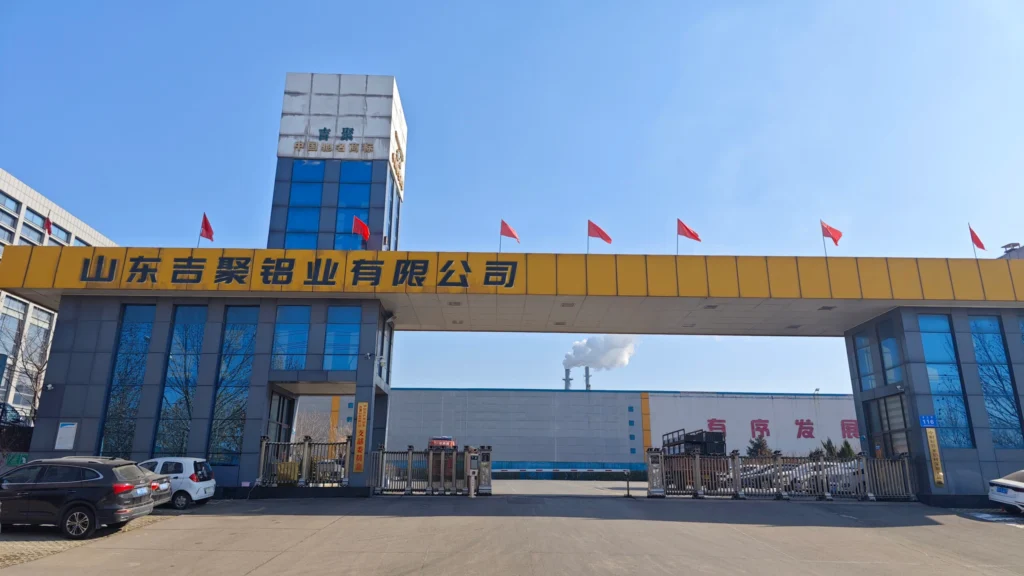
Experienced China aluminum window factories understand international export requirements, including:
- sea freight packaging
- project labeling
- technical drawings
- local certification requirements
- mixed-container loading
For wholesalers and building material supermarkets, this reduces procurement risks and simplifies import operations
The Future of Aluminum Alloy Doors and Windows
As green building regulations continue to strengthen globally, the demand for high-performance aluminum windows and doors will continue rising.
Future trends include:
- smart window systems
- larger panoramic glass structures
- improved thermal insulation
- minimalist frame designs
- sustainable building materials
- higher sound insulation performance
For importers, wholesalers, and distributors, now is an excellent time to establish partnerships with reliable aluminum doors and windows suppliers that can support long-term market growth.
Innovative Applications of Aluminum Alloy Doors and Windows in Modern Buildings
Modern architecture is rapidly evolving, and aluminum alloy doors and windows are becoming one of the most important materials in contemporary construction projects. Thanks to their durability, lightweight structure, energy efficiency, and flexible customization capabilities, modern aluminum windows and doors are widely used in residential, commercial, industrial, and hospitality projects worldwide.
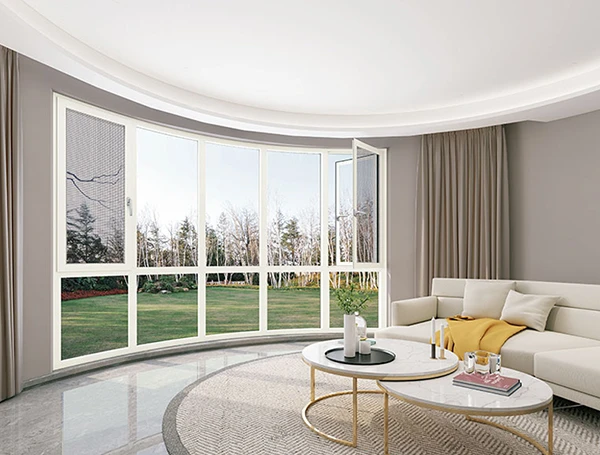
For importers, wholesalers, and building material supermarkets, understanding these innovative applications can help identify high-demand products and improve sales opportunities in local markets.
1. Slim-Frame Glass Facades for Modern Commercial Buildings
One of the biggest trends in architecture is the use of large glass curtain walls with ultra-slim aluminum frames. Compared with traditional steel systems, aluminum window frames provide:
- better corrosion resistance
- lighter structural weight
- modern minimalist aesthetics
- improved installation efficiency
Modern office towers, shopping malls, and airports increasingly use architectural aluminum doors combined with panoramic glass systems to maximize daylight and improve energy efficiency.
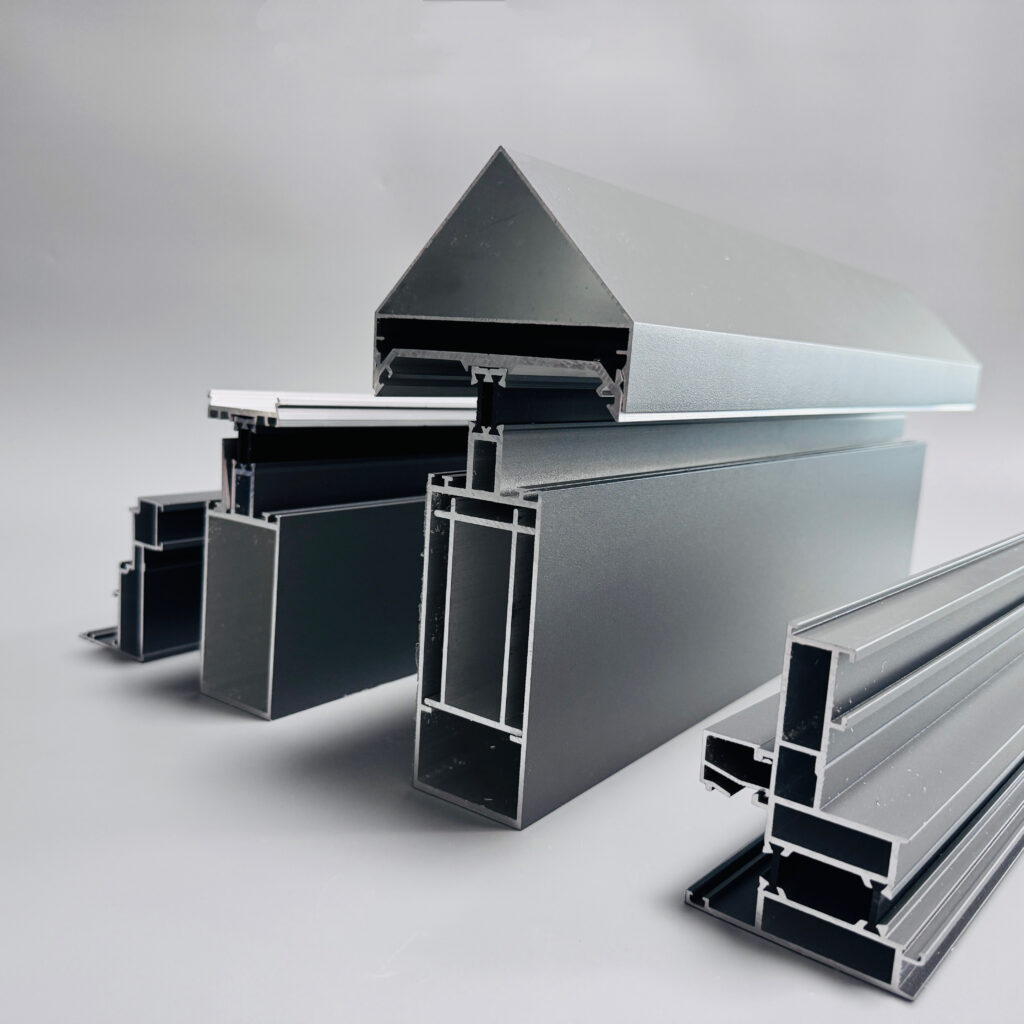
Why Architects Prefer Aluminum Facades
Higher Structural Strength
Aluminum offers an excellent strength-to-weight ratio, making it suitable for:
- high-rise buildings
- large-span glass walls
- oversized sliding systems
Better Design Flexibility
Manufacturers can customize:
- frame thickness
- opening methods
- surface colors
- glass specifications
- thermal insulation performance
This allows developers to create more visually attractive building exteriors.
2. Thermal Break Windows for Energy-Efficient Buildings
Energy-saving regulations are driving strong demand for thermal break aluminum windows worldwide.
Unlike standard aluminum systems, thermal break windows use insulating materials between the interior and exterior aluminum profiles to reduce heat transfer.
Main Advantages of Thermal Break Systems
Improved Thermal Insulation
These systems help reduce:
- heating costs in winter
- cooling costs in summer
- indoor temperature fluctuations
Better Building Envelope Performance
High-performance fenestration systems with thermal break technology improve:
- U-value performance
- air tightness
- water resistance
- overall energy efficiency
For countries with extreme climates, this feature is becoming essential rather than optional.
3. Large Sliding Aluminum Doors for Villas and Hotels
Luxury residential and hospitality projects increasingly prefer oversized aluminum sliding doors because they create open and seamless indoor-outdoor spaces.
Popular applications include:
- beachfront villas
- resort hotels
- rooftop terraces
- modern apartments
- garden houses
Why Sliding Aluminum Systems Are Popular
Space-Saving Design
Sliding systems do not require additional swing space, making them ideal for compact layouts.
Panoramic Glass Effect
Slim aluminum frames allow larger glass panels and wider visual openings, improving:
- natural lighting
- outdoor visibility
- interior aesthetics
Many developers now prefer minimalist aluminum sliding systems with concealed tracks and hidden drainage structures.
4. Sound-Insulated Windows for Urban Buildings
Noise pollution has become a major concern in urban construction.
Modern aluminum casement windows combined with:
- double glazing
- laminated glass
- insulated sealing strips
can significantly reduce outside noise.
[IMAGE PLACEHOLDER — Soundproof Aluminum Window in Urban Apartment]
Common Applications
Residential Apartments Near Roads
Soundproof aluminum systems help improve indoor comfort in high-traffic urban areas.
Hotels and Office Buildings
Commercial buildings increasingly require high acoustic performance to improve customer and employee experience.
This is especially important for projects near:
- airports
- highways
- railway stations
- city centers
5. Corrosion-Resistant Doors and Windows for Coastal Areas
Traditional steel systems are vulnerable to rust in humid or coastal environments. In contrast, commercial aluminum windows offer excellent corrosion resistance.

Why Aluminum Performs Better in Coastal Regions
Powder Coating and Anodized Finish Protection
Professional surface treatment technologies improve resistance to:
- salt spray
- moisture
- UV exposure
- oxidation
Longer Product Lifespan
High-quality aluminum door systems can maintain performance and appearance for many years with minimal maintenance.
This makes them ideal for:
- seaside villas
- island resorts
- port facilities
- tropical residential projects
6. High-Strength Aluminum Systems for High-Rise Buildings
Modern skyscrapers require lightweight but strong structural materials.
Compared with traditional steel systems, aluminum alloy doors and windows reduce overall building load while maintaining structural stability.
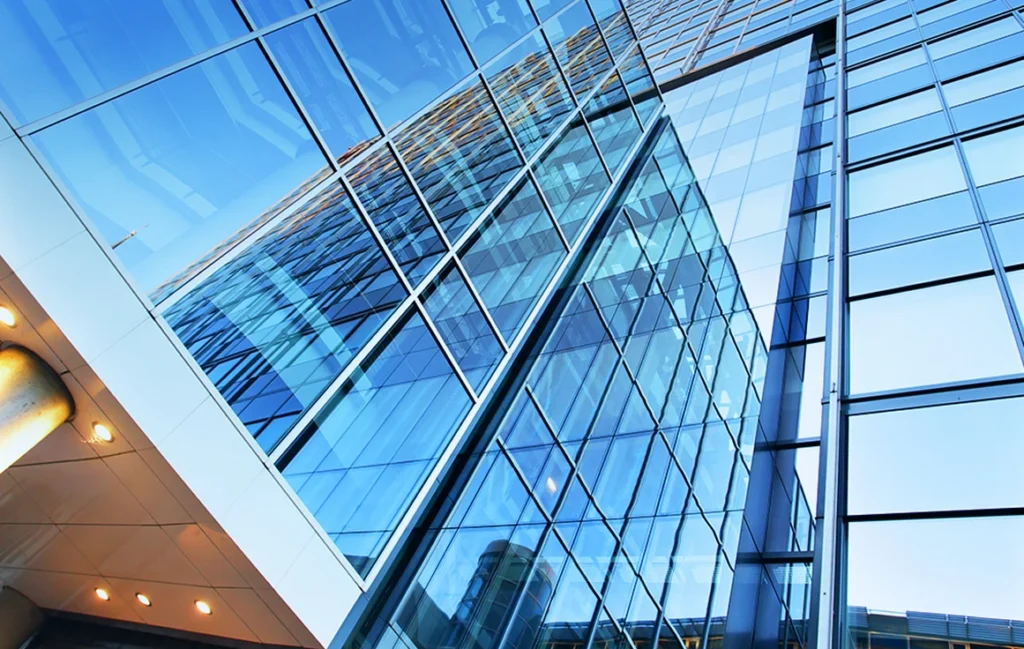
Key Benefits for High-Rise Projects
Reduced Structural Weight
Lighter materials can reduce transportation and installation difficulty.
Better Wind Pressure Resistance
Professional commercial aluminum windows are designed to meet high wind-load requirements in tall buildings.
Manufacturers can also customize products according to local engineering standards.
7. Custom Color Aluminum Frames for Retail and Residential Projects
Customization is becoming one of the most important trends in the building materials market.
Modern aluminum windows and doors are available in many finishes, including:
- matte black
- champagne gold
- wood grain
- anodized silver
- customized powder coating colors
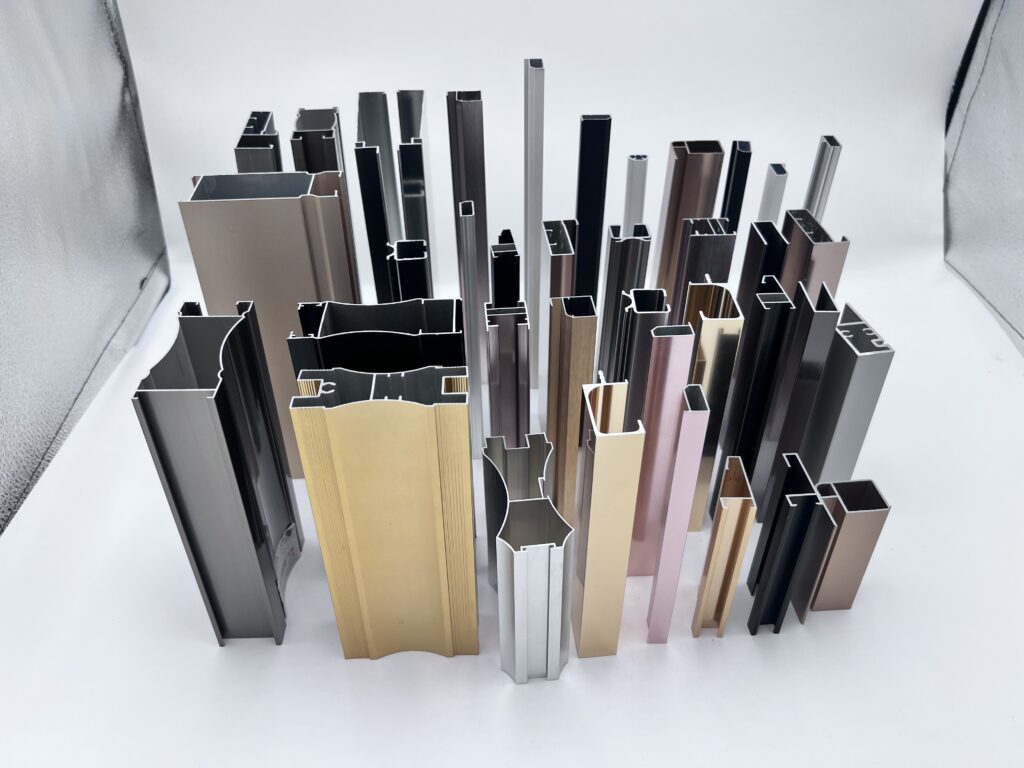
Why Color Customization Matters
Better Architectural Matching
Different projects require different design styles.
Improved Retail Competitiveness
Building material supermarkets can offer more personalized solutions to customers.
This is especially important for importers targeting premium residential markets.
8. Low-E Double-Glazed Systems for Green Buildings
Green building standards continue to push demand for high-performance glazing systems.
Modern thermal break aluminum windows are commonly paired with:
- Low-E glass
- argon-filled double glazing
- insulated spacers
to improve energy efficiency.
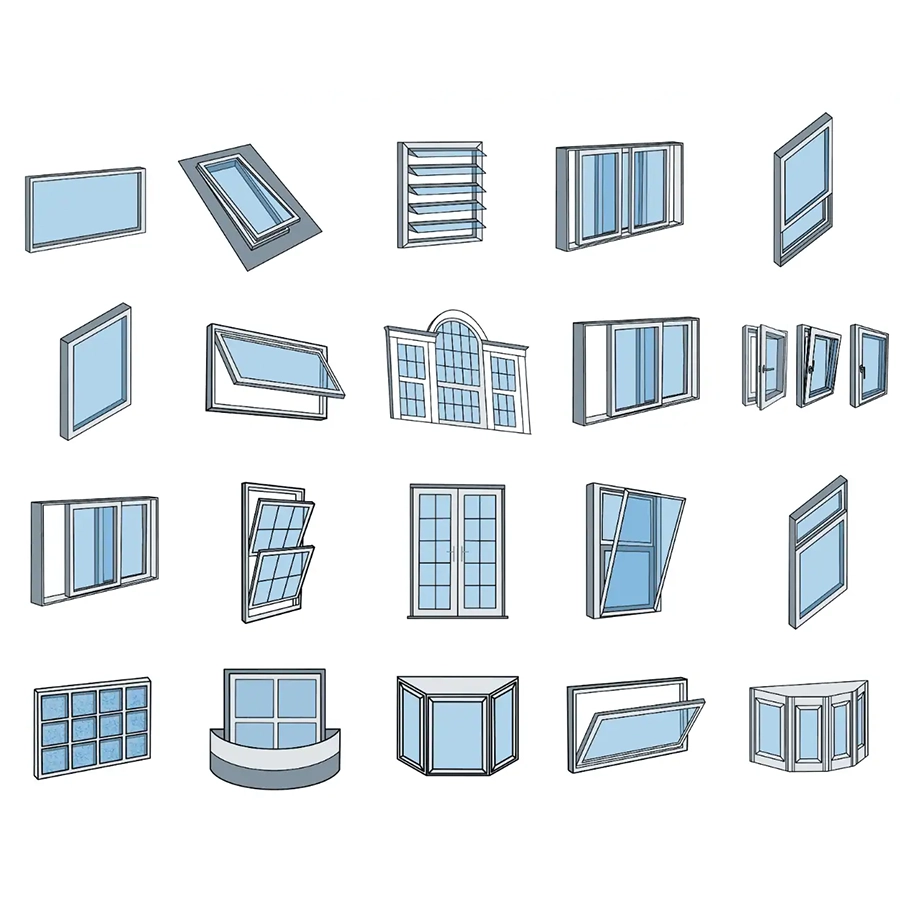
Main Benefits of Low-E Glass Systems
Reduced Solar Heat Gain
These systems help keep indoor temperatures stable.
Improved Indoor Comfort
Low-E systems reduce glare while improving insulation performance.
This technology is now widely used in:
- commercial office buildings
- hospitals
- schools
- energy-efficient homes
9. Balcony and Patio Aluminum Door Systems
Modern residential projects increasingly use aluminum systems for:
- balconies
- patios
- outdoor entertainment areas
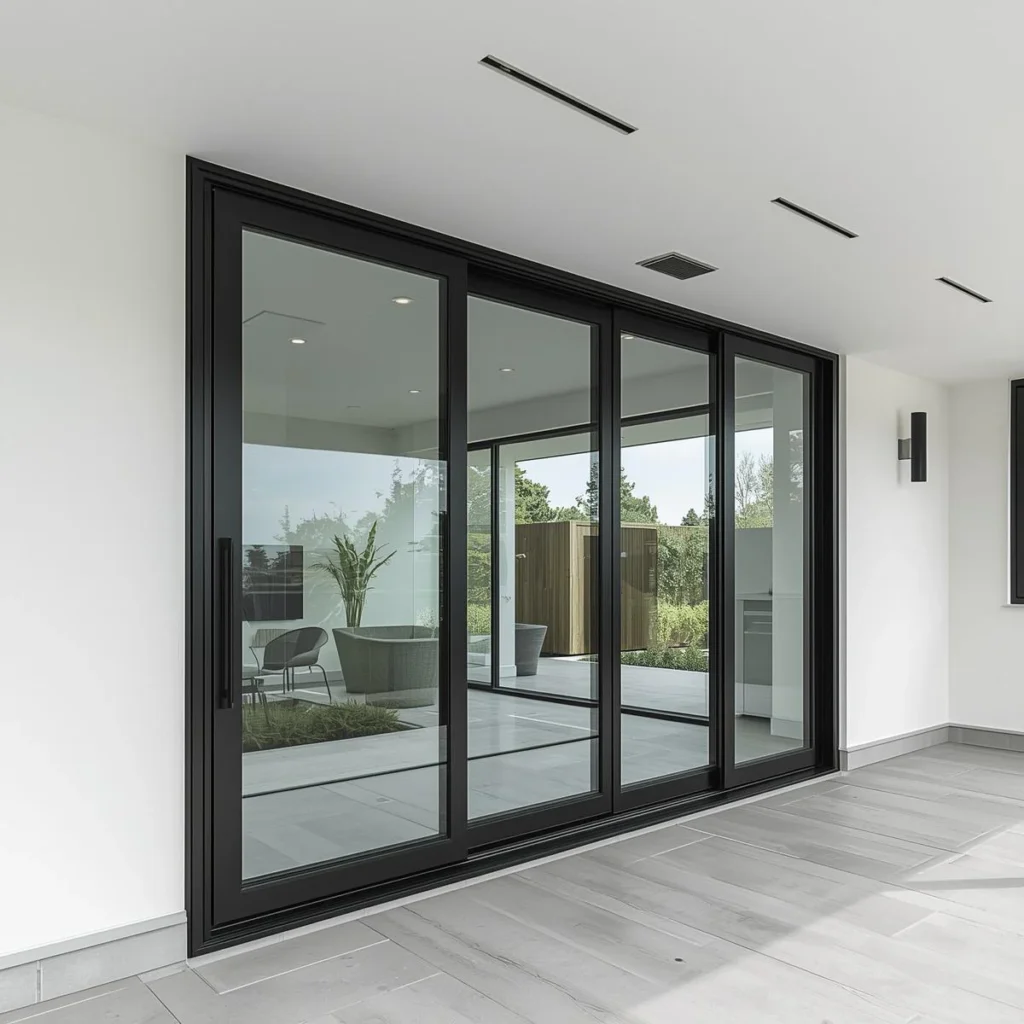
Why Aluminum Is Ideal for Outdoor Spaces
Weather Resistance
Unlike wood, aluminum does not easily warp or crack.
Low Maintenance
Minimal cleaning and maintenance are required over time.
This makes aluminum sliding doors highly attractive for property developers and homeowners.
10. Fire-Resistant and Low-Maintenance Building Openings
Many public buildings now prioritize materials with better fire safety performance.
Although aluminum itself is not fully fireproof, modern systems can integrate:
- fire-resistant glass
- insulated sealing systems
- specialized hardware
to improve overall safety performance.
[IMAGE PLACEHOLDER — Fire-Resistant Aluminum Door System]
Additional Maintenance Advantages
Compared with wood systems, aluminum requires:
- less repainting
- lower maintenance costs
- fewer long-term repairs
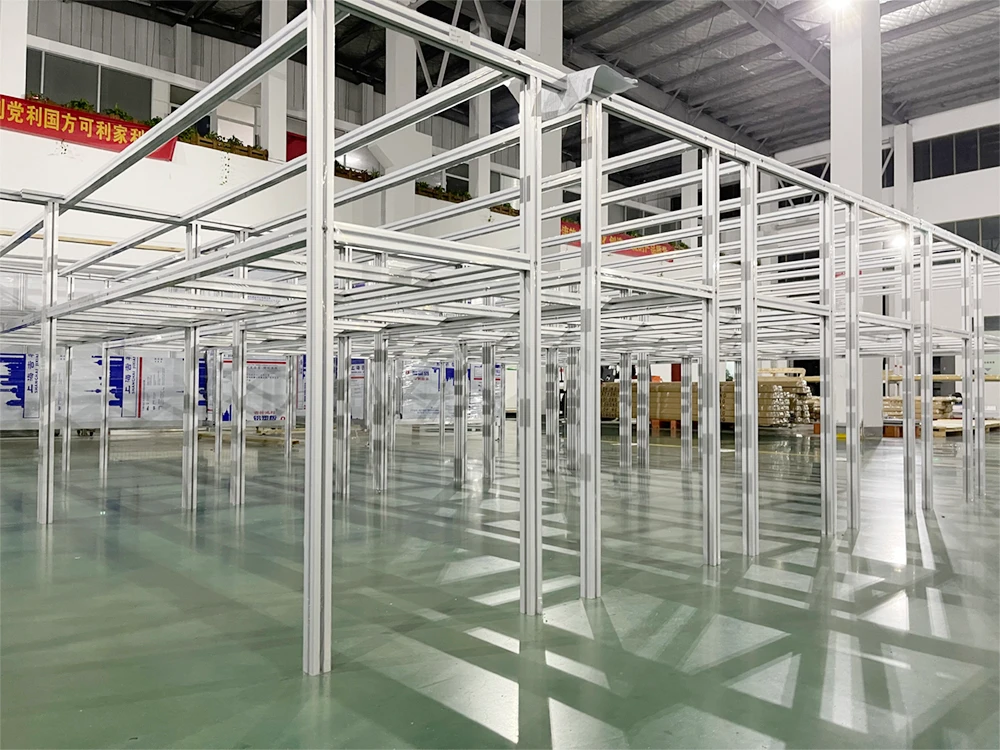
11. Modular Window Systems for Faster Construction
Prefabricated and modular construction methods are growing rapidly worldwide.
Modern aluminum window supplier China factories can provide pre-assembled systems that improve construction speed.
[IMAGE PLACEHOLDER — Prefabricated Modular Aluminum Window Installation]
Advantages of Modular Aluminum Systems
Faster Installation
Pre-assembled frames reduce on-site labor.
Better Quality Consistency
Factory-controlled production improves accuracy and reduces installation errors.
This is highly beneficial for large-scale commercial and residential projects.
12. Sustainable Aluminum Systems for Green Construction
Sustainability is becoming a key purchasing factor for developers and government projects.
Aluminum is one of the most recyclable construction materials in the world.
[IMAGE PLACEHOLDER — Sustainable Green Building with Aluminum Windows]
Environmental Benefits
High Recycling Rate
A large percentage of aluminum products can be recycled repeatedly without major performance loss.
Reduced Long-Term Environmental Impact
Durable aluminum alloy doors and windows reduce replacement frequency and construction waste.
This aligns well with modern green building certification systems.
Conclusio
From energy-efficient thermal break systems to panoramic sliding doors and sustainable modular solutions, modern aluminum windows and doors are transforming the global construction industry.
For importers, distributors, and building material suppliers, understanding these innovative applications can help identify high-growth market opportunities and provide better solutions for modern architectural projects worldwide.
Key Product Features Importers Should Understand Before Purchasing
When importing aluminum alloy doors and windows from China, many buyers focus only on pricing. However, experienced importers understand that product quality, technical specifications, and long-term performance are far more important than simply choosing the cheapest supplier.
For building material supermarkets, wholesalers, and project contractors, understanding the key specifications of modern aluminum windows and doors can help reduce after-sales problems, improve customer satisfaction, and increase long-term profitability.
Below are the most important technical features buyers should carefully evaluate before placing bulk orders.
Aluminum Profile Thickness
The aluminum profile is the structural foundation of the entire window or door system. The thickness of the aluminum directly affects:
- structural strength
- durability
- wind pressure resistance
- service life
Common Aluminum Profile Thickness Standards
Different countries and project types require different profile thicknesses.
| Application | Recommended Thickness |
| Residential windows | 1.2mm – 1.4mm |
| Residential doors | 1.4mm – 1.8mm |
| Commercial projects | 1.8mm – 2.0mm+ |
| High-rise buildings | Customized engineering standards |
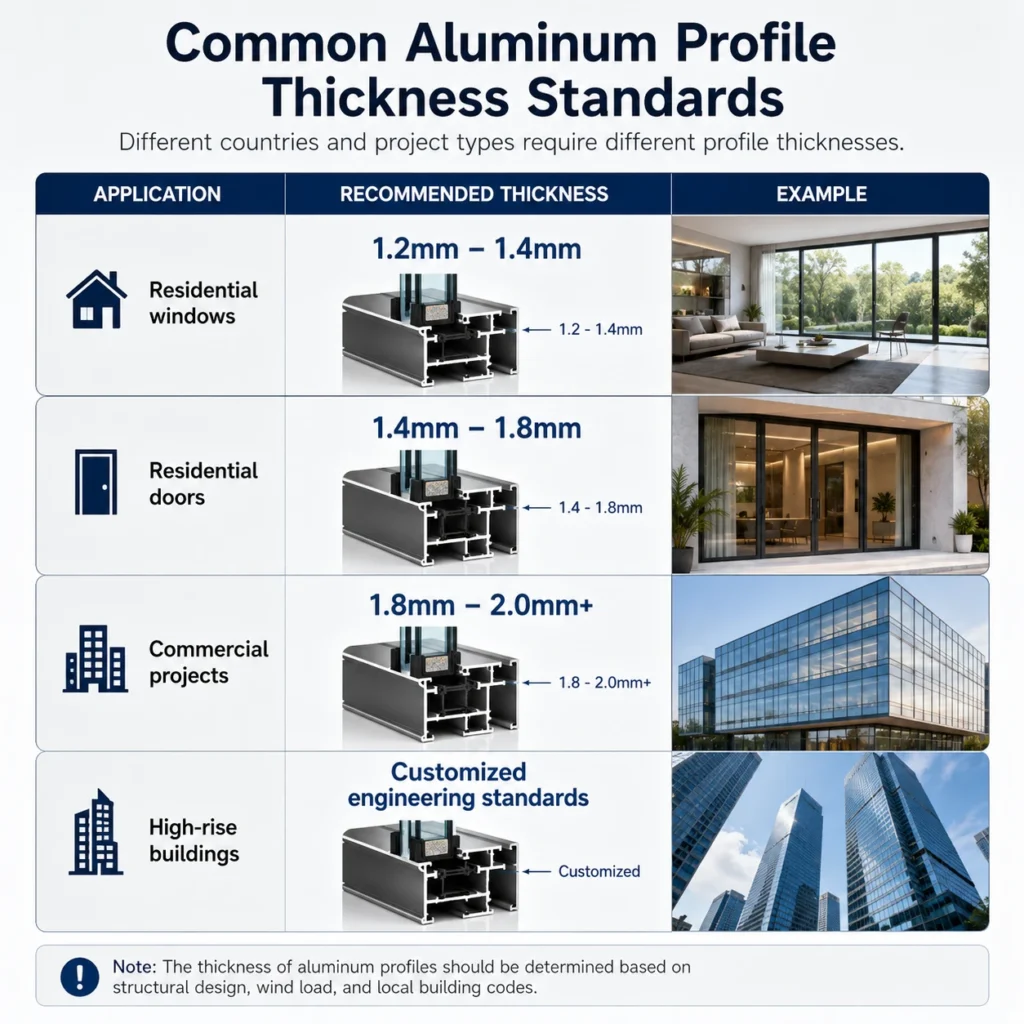
Why Thickness Matters
Better Structural Stability
Thicker aluminum window frames provide better support for:
- large glass panels
- oversized sliding systems
- high wind-load environments
Longer Product Lifespan
Thin profiles may deform more easily over time, especially in hot climates or coastal environments.
Professional aluminum doors and windows manufacturers usually provide technical drawings and profile section details before production.
Glass Type: Single, Double, Laminated, and Low-E Glass
Glass selection is one of the most critical factors affecting energy efficiency and user comfort.
Modern architectural aluminum doors and window systems commonly use:
- tempered glass
- double glazing
- laminated glass
- Low-E insulated glass
Double-Glazed Systems
Double glazing improves:
- thermal insulation
- soundproofing
- energy savings
This is especially important for commercial aluminum windows used in office buildings and hotels.
Laminated Glass
Laminated glass improves:
- safety
- noise reduction
- impact resistance
It is commonly used in:
- schools
- hospitals
- luxury residential projects
Low-E Glass
Low-E coated glass helps reduce solar heat gain while maintaining natural lighting.
Combined with thermal break aluminum windows, Low-E systems can significantly improve building envelope efficiency.
Thermal Break vs Non-Thermal Break Aluminum Systems
Many importers overlook the importance of thermal break technology.
What Is a Thermal Break System?
A thermal break aluminum window uses insulating material between the interior and exterior aluminum profiles to reduce heat transfer.
Main Advantages
Improved Energy Efficiency
Thermal break systems reduce:
- indoor heat loss
- cooling energy consumption
- condensation problems
Better Indoor Comfort
These systems maintain more stable indoor temperatures throughout the year.
When Non-Thermal Break Systems Are Suitable
Standard non-thermal systems may still work well in:
- tropical climates
- low-budget projects
- warehouses
- industrial facilities
However, most premium residential and commercial projects now prefer thermal break systems.
Hardware Quality: The Most Overlooked Component
Even the best aluminum alloy doors and windows can fail if low-quality hardware is used.
Importers should carefully evaluate:
- hinges
- handles
- rollers
- locking systems
- sliding tracks
Why Hardware Matters
Smooth Operation
Premium hardware improves opening and closing performance.
Longer Durability
High-quality stainless steel or branded hardware systems last much longer in humid or coastal environments.
Common Problems with Low-Quality Hardware
Cheap hardware may cause:
- sliding difficulty
- water leakage
- loose handles
- poor sealing
- increased maintenance costs
For this reason, experienced aluminum window supplier China factories often recommend internationally recognized hardware brands.
Surface Treatment: Powder Coating vs Anodized Finish
Surface treatment affects both appearance and weather resistance.
The two most common finishing methods are:
- powder coating
- anodized finish
Powder Coating
Powder coating provides:
- rich color options
- strong UV resistance
- modern appearance
Popular colors include:
- matte black
- white
- grey
- champagne gold
- wood grain finishes
Anodized Finish
Anodizing improves:
- corrosion resistance
- scratch resistance
- metallic texture appearance
This finish is widely used in commercial buildings and coastal projects.
Choosing the Right Finish
For Residential Projects
Powder-coated systems are more popular due to their decorative flexibility.
For Coastal or Industrial Areas
Anodized systems often offer better long-term durability.
Water Tightness, Air Tightness, and Wind Pressure Resistance
High-performance fenestration systems must withstand different climate conditions.
Importers should request test reports for:
- water tightness
- air leakage
- wind pressure resistance
Why These Tests Matter
Water Tightness
Poor sealing may cause:
- rainwater leakage
- wall damage
- mold growth
Air Tightness
Good sealing improves:
- thermal insulation
- soundproofing
- energy efficiency
Wind Pressure Resistance
This is especially important for:
- high-rise buildings
- coastal projects
- hurricane-prone regions
Professional commercial aluminum windows are usually tested according to international standards.
Sound Insulation Performance
Modern buyers increasingly care about acoustic comfort.
High-quality aluminum casement windows combined with insulated glass and sealing systems can significantly reduce external noise.
Recommended Configurations for Soundproofing
Double or Triple Glazing
Thicker insulated glass improves noise reduction performance.
Multi-Layer Sealing Strips
Advanced sealing systems improve airtightness and acoustic insulation.
This feature is particularly valuable for:
- hotels
- urban apartments
- office buildings
- hospitals
Customization Capabilities Matter for Importers
Many overseas distributors require customized products for local markets.
Professional aluminum door systems suppliers can usually customize:
- dimensions
- colors
- glass types
- opening methods
- packaging
- hardware brands
OEM and Private Label Opportunities
Many importers also request:
- customized logos
- branded packaging
- installation manuals
- showroom samples
This helps building material supermarkets improve local brand recognition.
Packaging Quality Is Critical for Sea Freight
One of the biggest risks in international shipping is transportation damage.
Professional factories usually provide:
- foam protection
- corner protection
- wooden crates
- reinforced packaging
- waterproof wrapping
Why Packaging Matters
Damaged aluminum sliding doors or glass systems can create expensive replacement costs and project delays.
Experienced China aluminum window factories understand export packaging requirements and container loading optimization.
FAQ — Innovative Applications of Aluminum Alloy Doors and Windows in Modern Buildings
What are the main advantages of aluminum alloy doors and windows?
Aluminum alloy doors and windows offer excellent durability, corrosion resistance, lightweight structure, modern aesthetics, and strong energy efficiency performance. Compared with traditional wood or steel systems, aluminum requires less maintenance and provides a longer service life.
Why are aluminum windows widely used in modern commercial buildings?
Modern commercial buildings prefer aluminum window systems because they support large glass facades, slim-frame designs, and better daylight performance. Aluminum also provides strong wind resistance and structural stability for high-rise projects.
What is a thermal break aluminum window?
A thermal break aluminum window uses insulating material between the inner and outer aluminum profiles to reduce heat transfer. This technology improves energy efficiency, reduces condensation, and enhances indoor comfort.
Are thermal break aluminum windows worth the investment?
Yes. Thermal break systems help reduce heating and cooling costs, improve sound insulation, and increase building energy efficiency. They are especially valuable in regions with hot summers or cold winters.
What types of buildings commonly use aluminum sliding doors?
Aluminum sliding doors are widely used in:
- luxury villas
- hotels and resorts
- modern apartments
- rooftop terraces
- garden houses
- commercial office spaces
Their slim frames and large glass panels create open and modern architectural designs.
Why are aluminum doors and windows suitable for coastal areas?
Aluminum has strong corrosion resistance and performs well in humid or salty environments. Powder coating and anodized finishes further improve resistance to moisture, salt spray, and UV exposure.

