
When a standard aluminum profile almost fits your product—but not quite—custom aluminum extrusion is often the better option.
A custom profile can include the exact grooves, channels, mounting points, wall thickness, and dimensions required for your application. This allows you to design the aluminum component around the product instead of changing the product to fit an existing profile.
Custom aluminum extrusions are used in doors and windows, solar mounting systems, machine frames, LED lighting, transportation equipment, furniture, and industrial components.
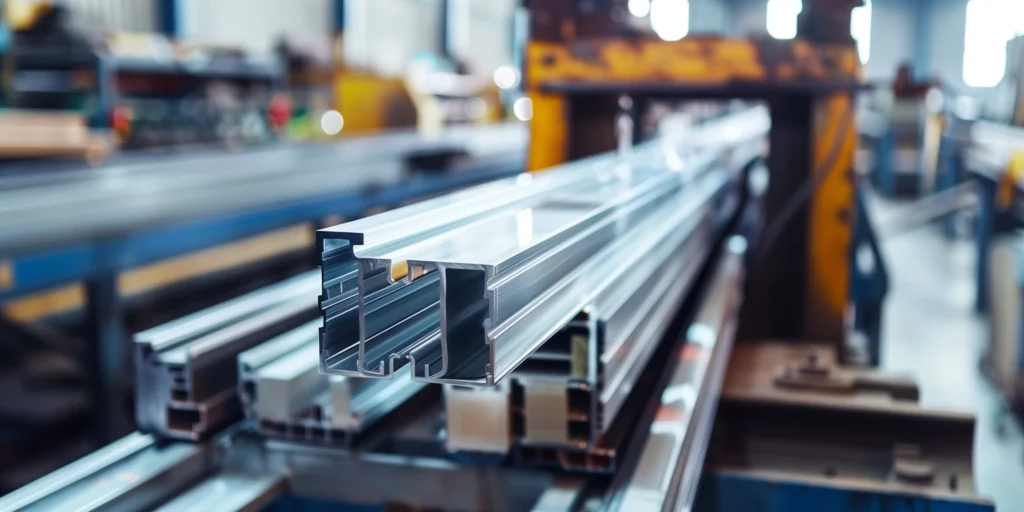
What Is Custom Aluminum Extrusion?
Custom aluminum extrusion is a manufacturing process used to produce aluminum profiles with a specific cross-sectional shape.
An aluminum billet is heated and pushed through a steel die. The opening in the die determines the shape of the finished profile. After extrusion, the profile is cooled, straightened, cut, and processed according to the customer’s requirements.
Compared with standard profiles, a custom aluminum profile gives engineers greater control over:
- Overall dimensions
- Wall thickness
- Internal channels
- Mounting grooves
- Corner design
- Weight
- Connection points
- Surface appearance
A project can start with a CAD drawing, 3D file, technical sketch, or physical sample. If the design is not yet final, the supplier can review it and suggest changes before tooling begins.
Why Use Custom Aluminum Profiles?
Designed for the application
A standard profile may require extra brackets, adapters, or machining. A custom extrusion can combine several of these features into one component.
For example, a machine frame may need an integrated slot for fasteners. A lighting profile may need space for an LED strip and diffuser. A window profile may require internal chambers for assembly and sealing.
These details can be considered during the profile design stage.
Fewer parts and simpler assembly
A well-designed profile can reduce the number of separate components used in a product. This can simplify assembly and make maintenance easier.
It can also create a cleaner appearance, especially in architectural, lighting, furniture, and consumer product applications.
Flexible surface finishes
Aluminum profiles can be finished according to the product’s appearance and installation environment. Common options include anodizing, powder coating, brushing, polishing, mill finish, and wood-grain transfer.
You can learn more about available options on the aluminum profile surface treatment page.
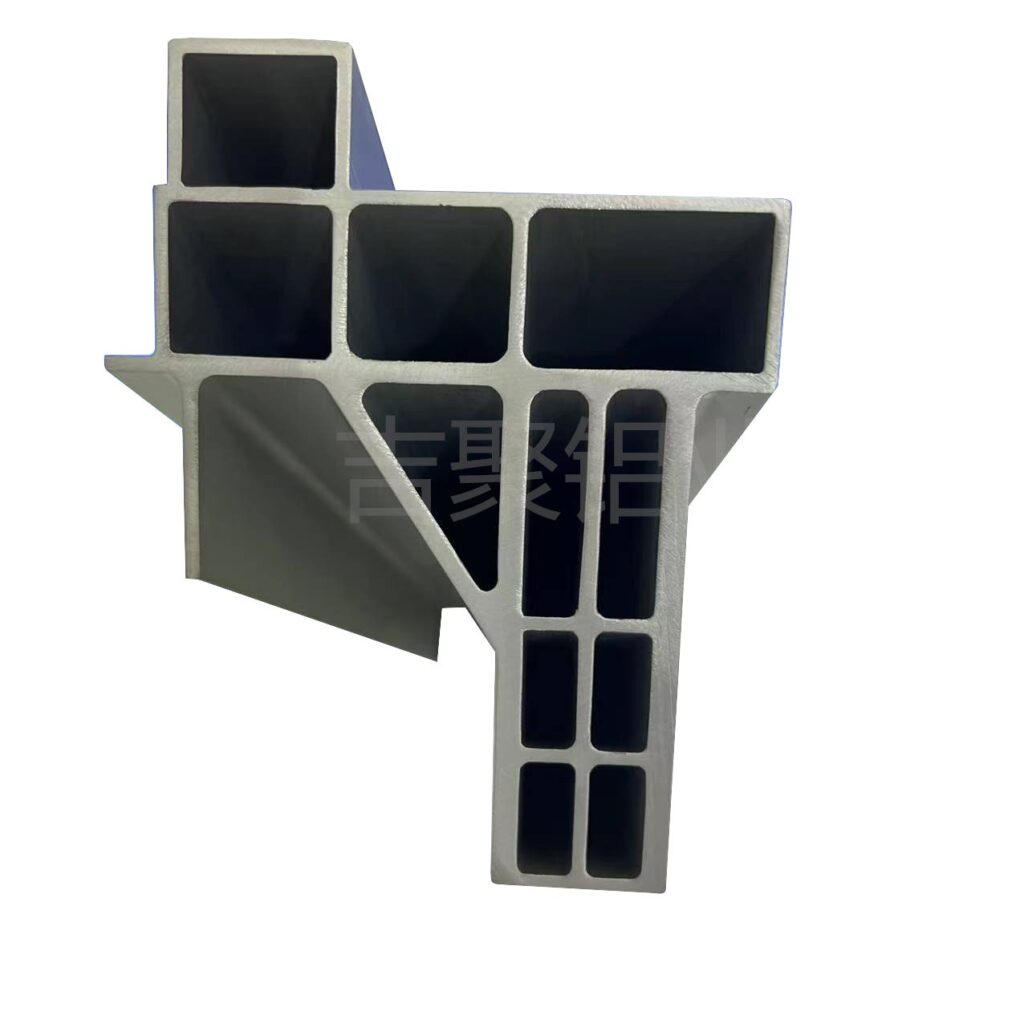
The Custom Aluminum Extrusion Process
1. Review the drawing or sample
The first step is to understand how the profile will be used.
Useful information includes:
- Profile dimensions
- Aluminum alloy
- Required length
- Surface treatment
- Tolerance requirements
- Estimated order quantity
- Machining requirements
- Final application
If the drawing is still being developed, the supplier should review wall thickness, hollow sections, sharp corners, and other features that may affect extrusion.
2. Select the aluminum alloy
The alloy should match the requirements of the finished product.
For architectural profiles, surface quality and finishing performance may be especially important. For industrial parts, strength, hardness, and machinability may have greater priority.
The best choice depends on the application, profile shape, finishing method, and required performance. A qualified supplier can recommend a suitable alloy after reviewing the design.
3. Design and produce the extrusion die
The die controls the shape of the extruded profile. Its design affects production stability, dimensional accuracy, and surface quality.
Complex hollow sections, thin walls, narrow openings, and uneven shapes may require additional engineering work. Identifying these issues early can help avoid unnecessary tooling changes later.
4. Extrude, cut, and straighten the profile
After the die is ready, the aluminum billet is heated and pressed through it. The profile is then cooled and straightened before being cut to the required length.
Depending on the product, the profile may also go through an aging or heat-treatment process.
Quality checks may include:
- Profile dimensions
- Straightness
- Surface condition
- Hardness
- Alloy and temper
- Cut length
- Color consistency
5. Complete machining and finishing
Many projects require additional processing after extrusion. These services may include:
- CNC machining
- Drilling
- Punching
- Tapping
- Saw cutting
- Bending
- Welding
- Assembly
For profiles that need holes, threads, slots, or precise cutouts, visit the CNC machining aluminum service page.
How to Choose a Custom Aluminum Extrusion Supplier
The lowest quotation is not always the most economical choice. Before placing an order, consider the following points.
Technical support
Can the supplier review your drawings and suggest practical design changes before tooling?
Production capability
Check whether the supplier has the extrusion, finishing, machining, and inspection equipment needed for your project.
Quality control
Ask how the company checks raw materials, dimensions, surface treatment, hardness, packaging, and finished products.
Prototype and sampling support
A sample or small trial order can help confirm the profile design, surface finish, fit, and assembly before mass production.
Packaging and export experience
Long aluminum profiles need suitable protection during storage and shipping. Ask how the supplier handles bundling, corner protection, labeling, containers, and export documents.
Common Applications
Custom aluminum extrusion is used in many products, including:
- Aluminum profiles for doors and windows
- Solar mounting structures
- Industrial machine frames
- Automation equipment
- LED aluminum profiles and heat sinks
- Transportation components
- Furniture and display systems
- Electronic enclosures
- Medical and laboratory equipment
- New energy components
The design priorities vary by application. A solar profile may require outdoor durability, while a machine frame may need rigidity and accurate machining. A lighting profile may focus on appearance, heat dissipation, and easy installation.
[Image Placeholder 4: Finished aluminum profiles installed in an industrial or architectural project]
Suggested ALT text: Custom aluminum extrusion used in an industrial application
What Information Is Needed for a Quote?
To receive a more accurate quotation, provide as much of the following information as possible:
- CAD drawing or product sample
- Aluminum alloy
- Profile length
- Surface finish and color
- Machining requirements
- Estimated quantity
- Packaging requirements
- Delivery location
If some details are not finalized, you can still send the available drawings first. The supplier can help identify the remaining specifications.
Frequently Asked Questions
Can a supplier help modify my aluminum profile design?
Yes. The supplier can review the drawing for extrusion feasibility, wall thickness, die complexity, tolerances, and machining requirements.
Is custom extrusion suitable for small orders?
It can be. However, tooling and setup costs may have a greater effect on small quantities. The final decision depends on the profile design and expected future demand.
Can aluminum profiles be machined after extrusion?
Yes. Profiles can be cut, drilled, punched, tapped, CNC machined, bent, welded, and assembled according to project requirements.
How can I request a quotation?
Send your drawing, sample, alloy, surface finish, quantity, and delivery destination through the JIJU contact page.
Start Your Custom Aluminum Extrusion Project
Custom aluminum extrusion gives manufacturers more control over product design, assembly, appearance, and production requirements.
Whether you need a simple channel, a machine-frame component, a solar mounting profile, or a complex hollow section, the process should begin with a clear drawing and a practical technical discussion.
Send your drawing, sample, or product requirements to JIJU Aluminium to discuss your custom aluminum profile project.

