
Manufacturers use custom aluminum solutions in construction, machinery, transportation, lighting, furniture, electronics, and new energy projects. In many cases, standard aluminum profiles cannot meet the exact requirements of a project. The product may need a special shape, precise dimensions, a specific surface finish, or further machining before assembly.
As a result, choosing an experienced custom aluminum extrusion manufacturer becomes important. A reliable supplier can review the design, recommend the right alloy, develop the mold, control extrusion quality, complete surface treatment, and deliver parts that are ready for use.
What Is Aluminum Customization?
Aluminum customization means producing aluminum profiles or parts according to a customer’s drawing, sample, or project requirements. It can include custom mold design, aluminum extrusion, cutting, drilling, tapping, milling, anodizing, powder coating, CNC machining, assembly, and packing.
Compared with standard aluminum products, customized aluminum parts are designed for a specific application. This can help reduce material waste, improve installation efficiency, simplify assembly, and make the final product more suitable for real working conditions.
For buyers who need special cross-sections or non-standard structures, custom aluminum profiles are often the most practical solution.
Common Applications of Custom Aluminum
Custom aluminum products are used in many industries because aluminum is lightweight, corrosion-resistant, easy to process, and suitable for different surface finishes.
Common applications include:
- Industrial aluminum frames
- Door and window systems
- Curtain wall profiles
- LED aluminum channels
- Heat sinks
- Solar panel frames
- New energy vehicle components
- Aluminum enclosures
- Furniture and decorative profiles
- Machinery and automation parts
For example, a lighting company may need LED aluminum profiles with good heat dissipation. A machinery manufacturer may need stronger structural profiles with accurate machining. A new energy project may need custom aluminum components for battery shells, enclosures, or lightweight structural parts.
Different applications require different aluminum solutions.
Step 1: Confirm the Drawing or Sample
Most custom aluminum projects start with a drawing, 3D file, sample, or product idea. Before production, the supplier should check the profile shape, wall thickness, alloy, tolerance, surface finish, machining position, assembly method, order quantity, and packing requirements.
This step is important because some designs look good on paper but may be difficult to extrude or machine. An experienced manufacturer can suggest small changes to make the product easier to produce, stronger, or more cost-effective.
If you are preparing a new project, you can send your drawing or sample through the JIJU contact page for technical review.
Step 2: Choose the Right Aluminum Alloy
Different aluminum alloys have different strength, corrosion resistance, extrusion performance, and surface treatment results. The 6xxx series is commonly used for architectural and structural extrusion applications, and the Aluminum Association notes that 6xxx alloys are widely used because they are heat-treatable, formable, weldable, and corrosion-resistant. You can read more from The Aluminum Association industry standards.
Common alloy choices include:
6063: often used for architectural and decorative aluminum profiles6061: suitable for stronger industrial and structural parts6005: used for structural extrusion applications6082: suitable for higher-strength aluminum components
The best alloy depends on how the product will be used. If the part is mainly decorative, surface appearance may be the key point. If it is used in a machine frame or load-bearing structure, strength and dimensional accuracy are more important.
Step 3: Mold Design and Aluminum Extrusion
For custom aluminum profiles, most projects need a mold. The mold determines the cross-section of the final profile, so mold design directly affects dimensional accuracy, production stability, and future repeat orders.
After the mold is ready, the production team heats aluminum billets and pushes them through the mold to form the required shape. After extrusion, the team cools, stretches, cuts, and ages the profiles according to the required mechanical properties.
Step 4: Surface Treatment
Surface treatment improves both the appearance and performance of aluminum products. Common options include anodizing, powder coating, sandblasting, brushing, polishing, electrophoresis, and wood grain finish.
For outdoor products, corrosion resistance and weather resistance are important. For decorative products, color and texture matter more. For industrial products, the surface finish should match the working environment and assembly requirements.
JIJU provides different surface treatment profile options for custom aluminum projects, helping buyers match the final finish to the application.
Step 5: CNC Machining and Further Processing
Many custom aluminum products need additional processing after extrusion. This may include cutting to length, drilling, tapping, milling, punching, bending, welding, or assembly.
CNC machining is useful when the part needs precise holes, slots, grooves, connection points, or complex shapes. If extrusion and machining are handled by the same supplier, communication is easier and production time can be shorter.
For projects that require accurate secondary processing, CNC machining aluminum services can help turn extruded profiles into ready-to-assemble components.
Step 6: Quality Inspection Before Delivery
Before shipping, custom aluminum parts should be inspected carefully. Inspection usually covers dimensions, surface finish, color consistency, straightness, machining accuracy, hole position, and packing condition.
For export orders, packing is also important. Aluminum profiles can be scratched or bent during transportation if they are not protected properly. A good supplier should choose suitable packing based on profile length, surface finish, quantity, and shipping method.
Quality management is also important for B2B buyers. ISO explains that ISO 9001 helps organizations maintain and improve quality management systems, which is why many buyers check supplier certifications before placing long-term orders.
Why Choose a One-Stop Custom Aluminum Manufacturer?
For custom aluminum projects, price is important, but it should not be the only factor. Buyers also need to consider technical support, production ability, surface treatment, machining capacity, quality control, and delivery time.
A one-stop aluminum manufacturer can help manage the full process:
- Design review
- Mold development
- Aluminum extrusion
- Surface treatment
- CNC machining
- Inspection
- Packing
- Export delivery
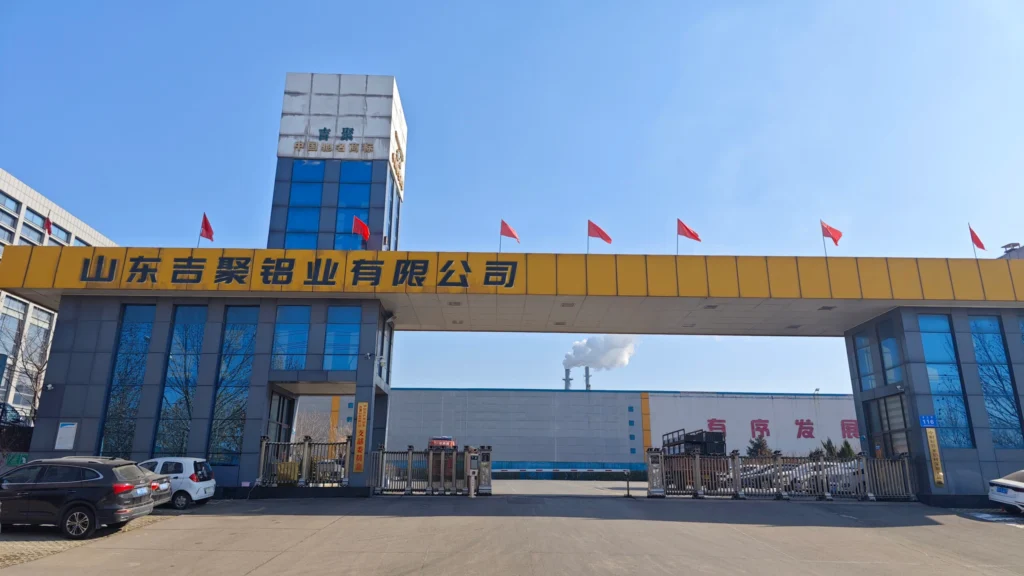
JIJU Aluminium was founded in 1994 and provides custom industrial aluminum extrusion and precision mold solutions for global B2B buyers. The company offers integrated services from engineering and extrusion to surface treatment, CNC machining, packing, and delivery.
Sustainability in Aluminum Customization
Aluminum is also valuable because it can be recycled repeatedly. According to the International Aluminium Institute, recycled aluminum can save about 95% of the energy required for primary aluminum production. You can read the reference here: International Aluminium Institute aluminum recycling data.
For buyers in construction, transportation, electronics, and new energy industries, choosing suitable aluminum materials and efficient manufacturing processes can support both product performance and sustainability goals.
How to Get a Faster Quotation
If you want to customize aluminum products, preparing clear information can save time. You can send:
- 2D or 3D drawing
- Product photo or sample
- Required alloy
- Surface treatment
- Size and tolerance
- Order quantity
- Application
- Destination country
- Special packing requirements
If you do not have a complete drawing, you can still send a sample photo or explain how the part will be used. A technical team can help check whether a new mold is needed.
Conclusion
Aluminum customization is not just about making a special shape. It is about creating an aluminum product that fits the real application, controls cost, improves assembly, and meets quality requirements.
Whether you need custom aluminum profiles, machined aluminum parts, surface-treated profiles, LED aluminum channels, new energy components, or complete aluminum extrusion solutions, working with an experienced manufacturer can make your project more efficient and reliable.
If you have a drawing, sample, or product idea, contact JIJU Aluminium to review your requirements and get a suitable custom aluminum solution.

